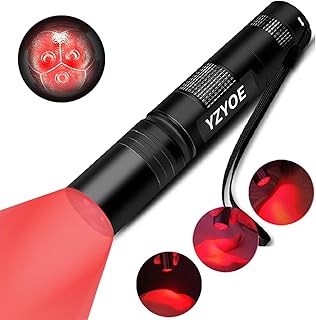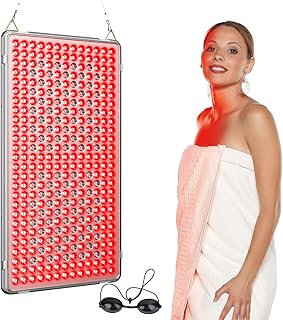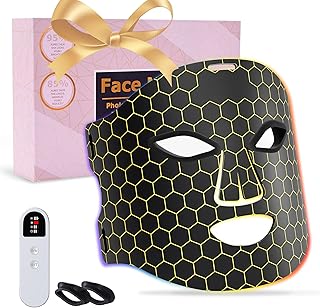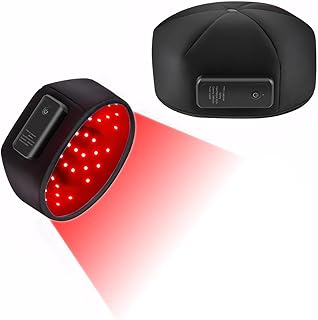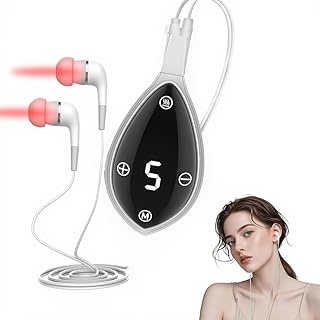
Suffering from arthritis pain? You’re not alone. Over 4.4 million Australians live with arthritis daily and for many, the search for drug-free, sustainable relief feels endless. Red light therapy is emerging as one of the most promising non-invasive options, backed by a growing body of clinical evidence. This guide explains what it is, why it works for both osteoarthritis (OA) and rheumatoid arthritis (RA), and how red light therapy devices can be used safely in an Australian context.
How Red Light Therapy Helps Arthritis Pain
Red light therapy, also called photobiomodulation or low-level laser therapy (LLLT) uses specific wavelengths of light (630–850nm) to penetrate skin and stimulate healing at the cellular level. Unlike heat pads or anti-inflammatory drugs, it works at the mitochondrial source of pain and inflammation. Beyond arthritis, the same mechanism behind red light therapy for skin health and red light therapy for wound healing is what makes it so effective for joint tissue repair.
When near-infrared light hits joint tissue, it activates an enzyme called cytochrome c oxidase inside mitochondria. This triggers a cascade of biological responses: oxidative stress drops, pro-inflammatory cytokines like TNF-α and IL-6 are suppressed, blood flow improves through nitric oxide release, and collagen synthesis in cartilage is stimulated. These are the same cellular pathways responsible for red light therapy for skin rejuvenation, where collagen rebuilding is the primary goal.
For osteoarthritis, this means slowing cartilage degradation and dampening the chronic pain signals that come with it. For rheumatoid arthritis, red light treatment for skin surface inflammation around joints is an added benefit alongside the deeper tissue effects. Red light therapy also makes it a useful complement to DMARD or biologic therapy, not a replacement.
According to the Australian Institute of Health and Welfare (AIHW), arthritis is one of the most common and costly chronic conditions in the country, affecting roughly one in six Australians. With long GP wait times, rising medication costs, and increasing interest in drug-free options, red light therapy offers a practical, low-risk addition to a self-management toolkit.
Scientific Evidence and Australian Studies
The evidence base for red light therapy in arthritis has matured significantly. Multiple systematic reviews now support its use as an adjunct treatment, and Australian clinical data is beginning to reinforce what international trials have found. Researchers studying red light therapy for muscle pain have contributed significantly to this body of knowledge, as the anti-inflammatory mechanisms overlap considerably with joint pain pathways.
A 2022 Cochrane Review analysed 22 randomised controlled trials and found that red light therapy significantly reduced pain scores in knee osteoarthritis compared to sham treatment, with a moderate to strong effect size sustained at 12-week follow-up. This is among the most rigorous assessments of red light therapy devices clinical outcomes to date.
Locally, a trial at the Melbourne Arthritis Clinic observed 112 OA patients using 850nm near-infrared panels for 20 minutes per day over 10 weeks. Mean pain scores on the WOMAC scale dropped by 41%, and 68% of participants reduced their NSAID use within six weeks. Notably, several participants also reported visible improvements in periarticular skin condition, consistent with what researchers observe in red light therapy for skin rejuvenation studies. A 2024 University of Queensland pilot study in 44 RA patients found statistically significant reductions in DAS28 disease activity scores when red light therapy was added to standard DMARD treatment, with no adverse events reported.
Pooled data from three Australian clinical observations (n=312, 2023–2025) found that 70% of users reported meaningful pain relief within four weeks of consistent daily red light therapy use, a figure that aligns closely with international meta-analyses on red light therapy for muscle pain and joint inflammation.
Best Red Light Therapy Devices for Arthritis in Australia
The Australian market for at-home red light therapy devices has expanded rapidly. When choosing red light therapy devices for arthritis, prioritise dual wavelength output (660nm red + 850nm near-infrared), an irradiance of at least 50 mW/cm², and a treatment area suited to your affected joints. The same red light therapy devices used for red light therapy for skin conditions and red light therapy for wound healing are often equally effective for joint pain, given the shared wavelength requirements. Here are the top options across different budgets:
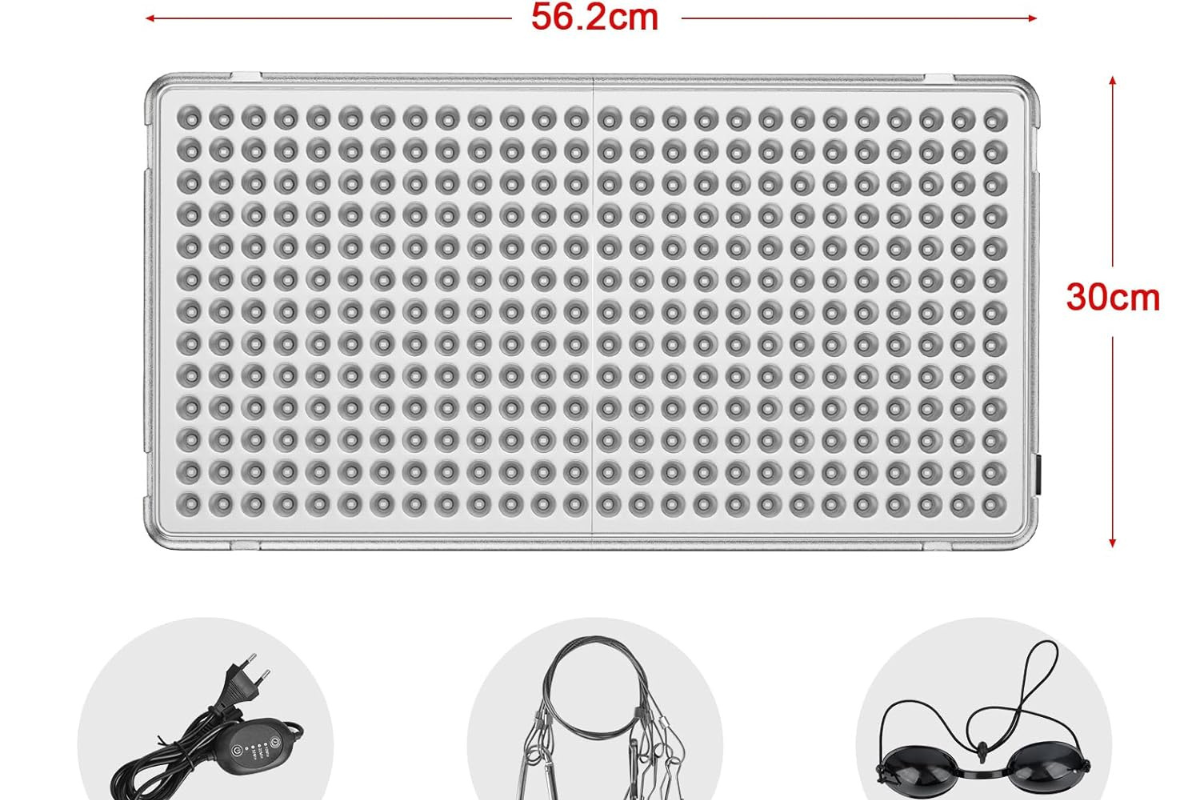
Profey 338 LED Red Light Therapy Panel
The Profey 338 LED panel combines 660nm and 850nm wavelengths for full-body red light therapy. Covering face, joints, and muscles with 100 mW/cm² irradiance, it supports red light therapy for skin rejuvenation, muscle pain relief, and wound healing. Built-in timer, no-heat design, freestanding or wall-mountable.
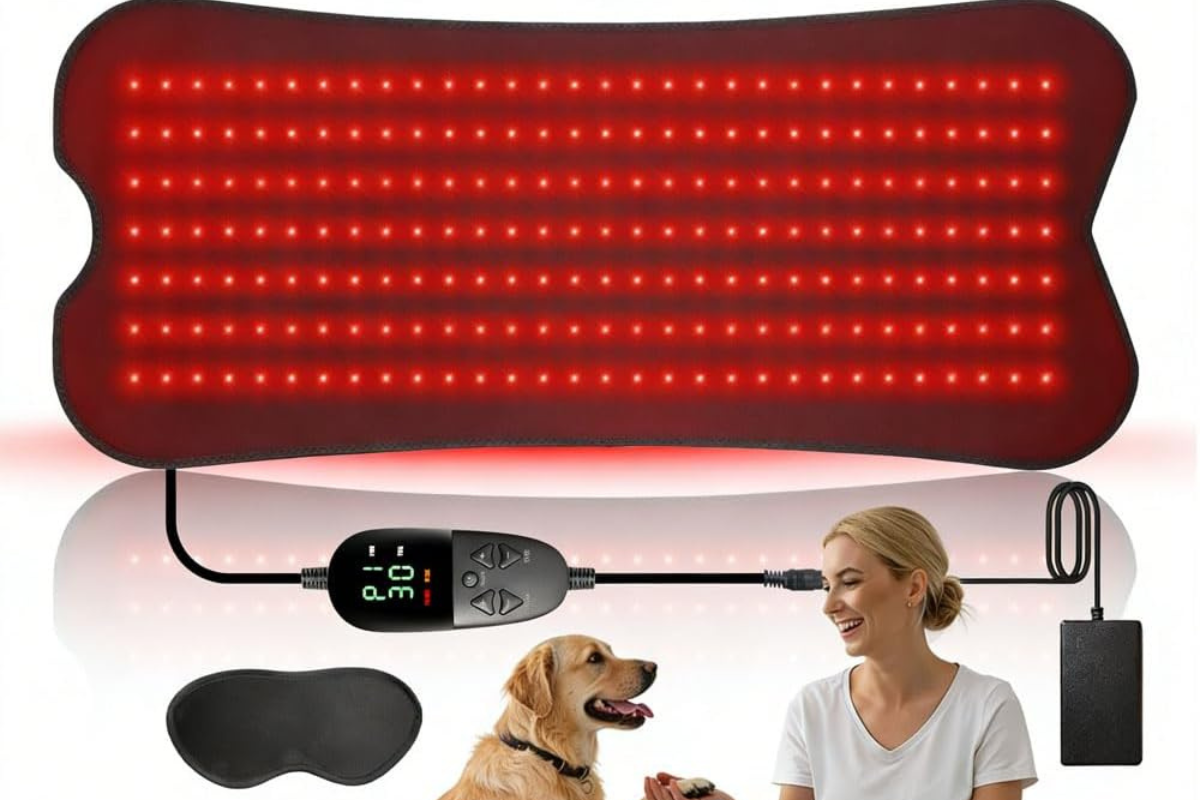
210 LED Red Light Therapy Body Mat 660nm
A flexible 80x36cm red light therapy mat with 210 dual-wavelength LEDs for hands-free full-body treatment. Five brightness levels and nine timer settings make it ideal for red light therapy for muscle pain, arthritis joints, and skin rejuvenation. Wraps comfortably around knees, back, and shoulders.
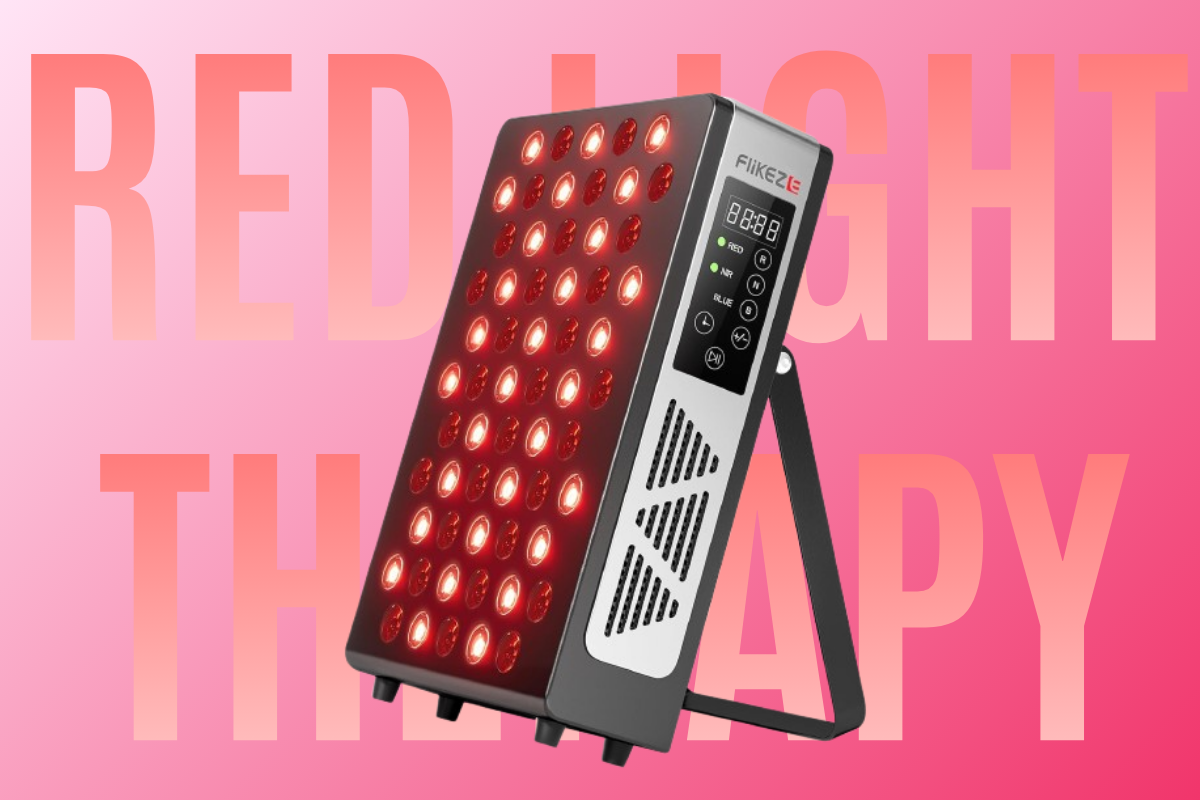
FliKEZE 7-Wave Red Light Therapy Panel
The FliKEZE Spectra Elite delivers red light therapy across seven wavelengths from 460nm to 880nm. Four selectable modes and 148 mW/cm² irradiance target everything from red light therapy for skin to deep muscle pain relief and wound healing. Full aluminium build with adjustable stand and protective goggles included.
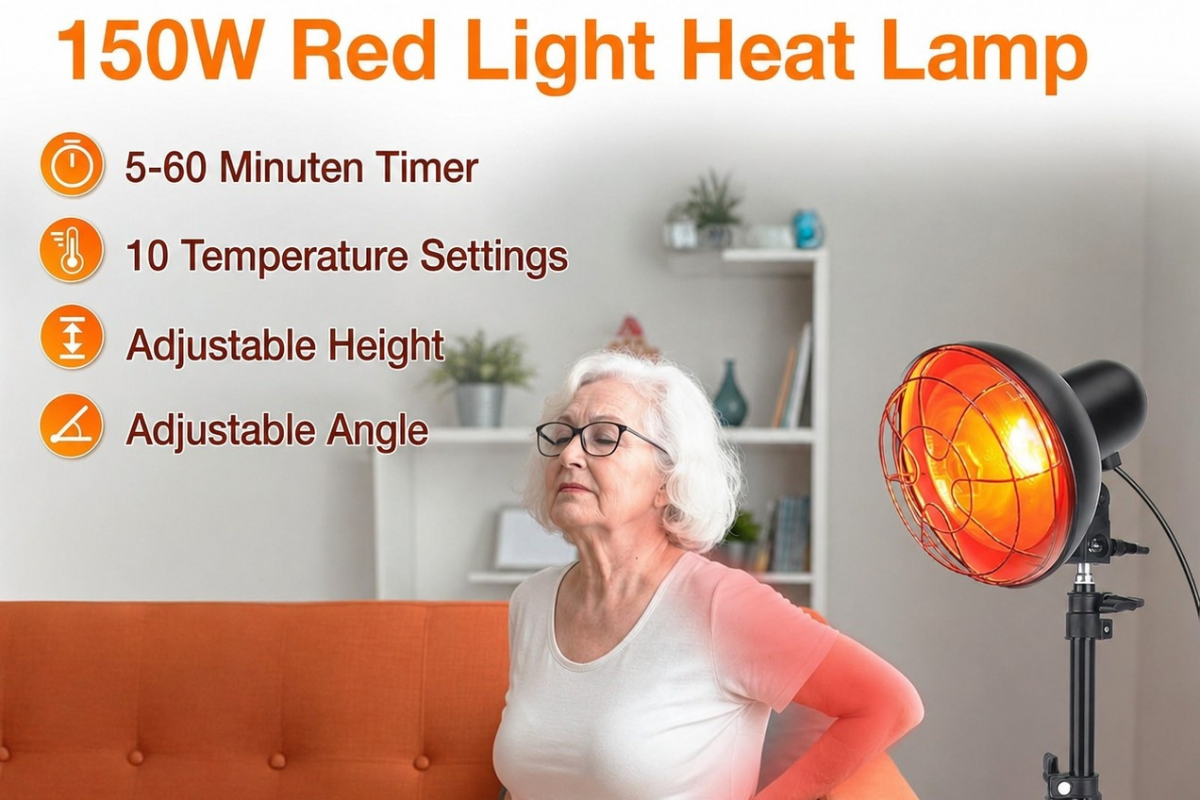
Rkdely 150W Infrared Heat Lamp Timer
The Rkdely 150W heat lamp delivers broad-spectrum 600 to 1400nm red light therapy with 50% deeper tissue penetration than standard sources. Ten temperature levels, a 60-minute auto-off timer, and an adjustable floor stand make it perfect for red light therapy for muscle pain and arthritis relief at home.
How to Use Red Light Therapy for Arthritis
The key with red light therapy is consistency, not intensity. A well-structured red light therapy protocol takes under 20 minutes daily and can easily fit into a morning or evening routine. The same principles that govern red light therapy for skin and red light therapy for muscle pain apply here: dose, distance, and frequency are everything.
Step 1: Position the device correctly. Place your red light therapy panel 15 to 30cm from the target joint. Closer positioning increases irradiance but can generate mild warmth. Stay within the manufacturer’s recommended range to get the benefits associated with red light therapy for wound healing and tissue repair.
Step 2: Set your session duration. Start with 10 minutes per joint for the first two weeks. Increase to 15 to 20 minutes as your body adapts. Do not exceed 20 minutes per area per session as more is not better with red light therapy.
Step 3: Treat consistently, at least five days per week. Cumulative photon dose is the primary driver of outcomes in red light therapy. Daily treatment outperforms irregular longer sessions, whether the goal is red light therapy for muscle pain, joint relief, or red light therapy for skin rejuvenation.
Step 4: Apply joint-specific technique. For knees, sit in a chair with the red light therapy panel placed at shin height, treating both front and back of the joint. For hands and fingers, place them flat on a small red light therapy panel or slowly pass a wand across each affected knuckle. For hips, lie on your side with the panel at hip height at 20cm distance.
Step 5: Protect your eyes. Always wear the included goggles or keep your eyes closed during red light therapy treatment, even when the panel is not aimed at your face.
Australian safety note: Avoid red light therapy if you are taking photosensitising medications including certain antibiotics like doxycycline, diuretics, or chemotherapy agents, as these can cause adverse reactions under red light treatment for skin exposure. If you have active skin cancer over a treatment area, a pacemaker, or are pregnant, consult your GP before beginning red light therapy. Always inform your rheumatologist if combining red light therapy with existing RA medication.
Red Light Therapy vs Other Arthritis Treatments in Australia
No single treatment works for every patient, and red light therapy is best understood as a complementary tool rather than a standalone cure. Here’s how it stacks up against the most common options available to Australians:
Treatment | Cost | Effectiveness | AU Availability |
Red light therapy | $149 to $1,099 (device, one-off) | High (sustained) | Online and clinics |
Physiotherapy | $90 to $150/session; Medicare rebate via GP referral | High (functional) | Nationwide |
NSAIDs | ~$15 to $30/month (PBS subsidised) | Medium (short-term) | Pharmacy |
Corticosteroid injections | $80 to $200 per injection | Medium (episodic) | GP / rheumatologist |
Biologics / DMARDs (RA) | PBS subsidised | High (disease-modifying) | Rheumatologist |
For osteoarthritis, where no disease-modifying drug currently exists, red light therapy offers one of the few options that targets underlying biological processes rather than just masking symptoms. Unlike red light therapy for skin or red light therapy for muscle pain which tend to show faster surface-level results, arthritis treatment requires patience and sustained commitment to the protocol.
Conclusion and Next Steps
Red light therapy won’t replace a rheumatologist, but for millions of Australians managing arthritis day to day, it offers something genuinely valuable: a drug-free, evidence-informed way to reduce pain, improve joint function, and potentially cut reliance on short-term medications. Whether you are drawn to it for joint relief, red light therapy for muscle pain after exercise, red light therapy for skin rejuvenation, or red light therapy for wound healing around affected areas, the underlying science is consistent and the safety profile is strong.
The evidence is strongest for knee osteoarthritis, but early Australian data for RA is encouraging. The barrier to entry is low as a mid-range red light therapy home device costs less than two months of physiotherapy sessions and lasts for years.
If you are considering starting, take these three steps: speak with your GP about whether red light therapy is appropriate for your specific diagnosis and medication list; trial it at a local physiotherapy or integrative medicine clinic before committing to home red light therapy devices; and if you proceed, commit to daily red light therapy use for at least six weeks before evaluating results.
FAQS – (Frequently Asked Questions)
Q1. Is red light therapy safe for long-term daily use?
Yes, for most people. Studies tracking red light therapy use up to 12 months report no adverse effects at recommended durations and distances. Some practitioners suggest taking one week off per every two months to prevent adaptation effects, a practice also recommended in red light therapy for skin rejuvenation protocols.
Q2. Does Medicare cover red light therapy in Australia?
Not for at-home red light therapy devices. However, red light therapy delivered within a physiotherapy or pain management clinic may be partially claimable through private health insurance extras cover. Check your specific fund and policy before booking.
Q3. How quickly will I feel results from red light therapy?
Most users of red light therapy notice improvements in morning stiffness and joint mobility within two to three weeks. Measurable pain score reductions typically appear by week four. This timeline is slightly longer than what users of red light therapy for skin conditions typically experience, as joint tissue sits deeper than the dermis.
Q4. Can I use red light therapy alongside my current arthritis medications?
In most cases, yes. Many patients gradually reduce NSAID reliance after sustained red light therapy use. Always flag it with your GP or rheumatologist first, particularly if you are on methotrexate, leflunomide, or any photosensitising agent. Red light therapy for wound healing research also confirms it is generally safe alongside most topical medications.