Photobiomodulation (PBM) might sound like a complex term, but it’s the scientific foundation behind the increasingly popular red light therapy. Whether you’re exploring red light therapy for skin rejuvenation, muscle recovery, or searching for red light therapy, it all comes down to PBM.
In this comprehensive article, we’ll explore what photobiomodulation really is, how it works, and why it’s the key to the healing power of infrared red light therapy.
What Is Photobiomodulation?
Photobiomodulation is the process by which light typically in the red or near-infrared (NIR) spectrum—interacts with living cells to trigger biological changes. It was formerly known as low-level laser therapy (LLLT), but the modern understanding goes beyond lasers to include LED-based devices as well.
PBM works by delivering specific wavelengths of light (usually 600–1000 nm) to tissues, where it stimulates cellular energy production, enhances healing, reduces inflammation, and promotes regeneration.
When you undergo red light therapy for skin benefits, or red light therapy for muscle recovery, you are experiencing the effects of photobiomodulation.
How Does PBM Work at the Cellular Level?
The healing process begins at the cellular level specifically, within the mitochondria, which produce ATP (energy).
1. Light Absorption
- The light from red or NIR LEDs penetrates the skin.
- Mitochondrial enzymes like cytochrome c oxidase absorb this light.
2. ATP Production Boost
- The absorbed energy improves mitochondrial efficiency.
- More ATP allows cells to perform essential functions like repair, regeneration, and collagen production.
- That’s why red light therapy for skin healing is so effective.
3. Reduction in Oxidative Stress
- Red light therapy helps balance reactive oxygen species (ROS).
- This promotes anti-inflammatory pathways and protects against cellular damage.
- Many users rely on red light therapy for skin inflammation for this reason.
4. Increased Blood Flow and Oxygenation
- Photobiomodulation triggers the release of nitric oxide (NO).
- This leads to vasodilation, improving oxygen delivery to tissues.
- As a result, red light therapy for wound healing becomes more efficient.
Photobiomodulation vs Red Light Therapy: What’s the Difference?
While the terms are sometimes used interchangeably, here’s the distinction:
| Term | Meaning |
| Photobiomodulation (PBM) | The biological process involving light and cells |
| Red Light Therapy (RLT) | A practical application of PBM using red/NIR light sources like LEDs or lasers |
So, when you search for “red light therapy”, you’re essentially looking for a photobiomodulation treatment.
PBM is science. Red light therapy is the tool.
Types of Light in Photobiomodulation
There are two primary light types used in PBM:
Visible Red Light (620–700 nm)
- Targets the skin surface
- Ideal for:
- Red light therapy for skin rejuvenation
- Red light therapy for skin healing
- Red light treatment for skin tone and texture
Near-Infrared Light (700–1000+ nm)
- Penetrates deeper tissues like muscles and joints
- Ideal for:
- Red light therapy for muscle pain
- Red light therapy for wound healing
- Red light therapy for muscle recovery
By combining both wavelengths, you maximize the benefits of infrared red light therapy.
Benefits of Red Light Therapy Backed by Photobiomodulation
Because PBM enhances cellular energy and repair, its benefits span multiple systems:
1. Skin Health
- Boosts collagen and elastin production
- Reduces wrinkles, scarring, and hyperpigmentation
- Excellent for red light therapy for skin rejuvenation
2. Wound Healing
- Accelerates recovery from cuts, burns, and surgical wounds
- Reduces scarring and improves tissue regeneration
- Makes red light therapy for wound healing a valuable post-op tool
3. Muscle Recovery
- Reduces muscle fatigue and soreness
- Supports athletes using red light therapy for muscle recovery
- Enhances performance and reduces injury risk
4. Pain Relief and Inflammation
- Blocks inflammatory molecules like prostaglandins
- Increases circulation for pain relief
- Used widely in red light therapy for muscle pain and joint pain
Who Uses PBM/Red Light Therapy?
This technology is used by:
- Dermatologists and skincare clinics
- Chiropractors and physical therapists
- Sports recovery centers
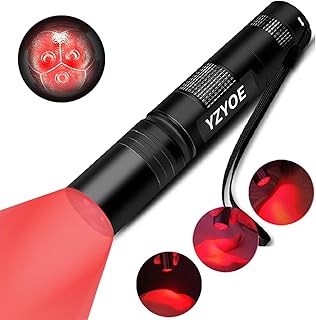
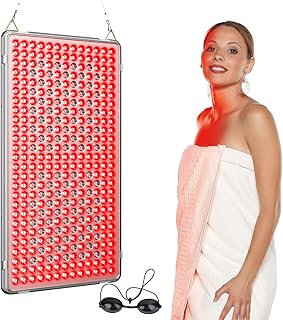
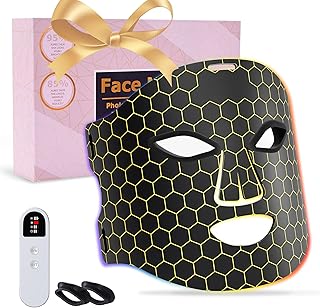
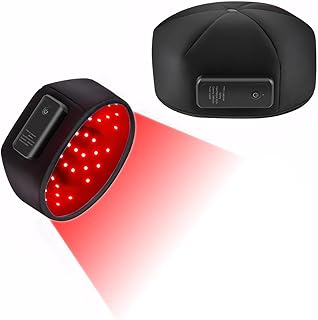
- Home users with personal LED panels
If you’re looking for “red light therapy treatment”, choose a provider who understands photobiomodulation science and uses medically approved devices.
Is It Safe?
Absolutely. Red light therapy is safe when:
- Used at appropriate wavelengths (typically 660 nm and 850 nm)
- Exposure time is controlled (typically 10–20 minutes per session)
- The skin is clean and not photosensitive
If you’re wondering, “Red light therapy—is it safe?”, rest assured that PBM is FDA-approved for many conditions and has a strong safety profile.
Scientific Evidence Behind PBM
More than 6,000 peer-reviewed studies support PBM’s effectiveness in:
- Skin rejuvenation
- Wound care
- Pain management
- Brain health (including TBI and cognitive function)
- Hair growth and acne reduction
This makes red light for skin therapy and broader red light therapy uses an exciting frontier for non-invasive medicine.
FAQs
Q1: Is photobiomodulation the same as LED therapy?
A: Not exactly. PBM is the biological effect; LED therapy is one of the technologies that deliver the light needed to achieve it.
Q2: How often should I use PBM?
A: 3–5 sessions per week is ideal for most people using red light therapy for skin, pain, or recovery.
Q3: Can PBM help with acne?
A: Yes. It reduces inflammation and bacteria. Red light therapy for skin inflammation and acne shows promising results.
Q4: What is the best wavelength for PBM?
A: 660 nm (red light) for skin, and 850 nm (NIR) for deeper tissues. This combo covers both surface and deep healing.
Q5: Can I do PBM at home?
A: Yes! Many at-home devices offer clinically safe and effective red light therapy for skin benefits and recovery.
Conclusion
Photobiomodulation is the scientific mechanism behind red light therapy. By stimulating energy production in cells, PBM drives healing, reduces inflammation, improves skin, and accelerates recovery naturally.
Whether you’re dealing with skin aging, sore muscles, or wounds, using red light therapy on skin, muscles, or joints is an effective, drug-free solution. With its wide range of red light therapy uses, it’s no wonder more people are searching for “red light therapy” than ever before.
Investing in PBM is not just about looking better, it’s about healing from the inside out.