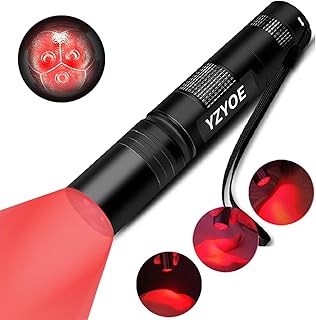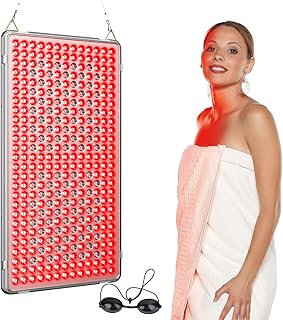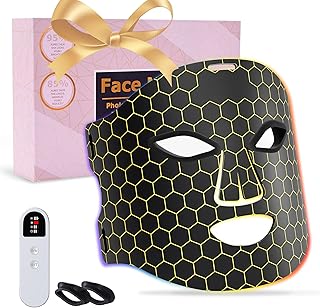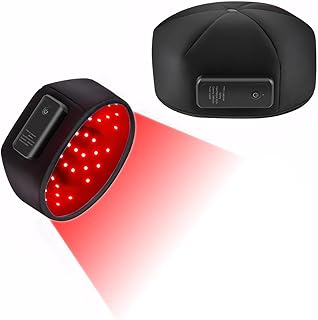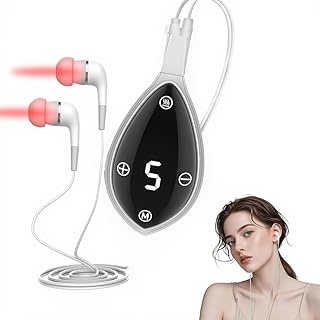
With the growing popularity of light-based wellness treatments, terms like Red Light Therapy and LED Light Therapy are often used interchangeably but they’re not quite the same. If you’ve been searching for “red light therapy”, or you’re interested in red light therapy for skin benefits, it’s important to understand how these therapies differ in purpose, effectiveness, and application.
In this article, we’ll break down the science behind both treatments, how they compare, and which is best suited for your needs whether it’s red light therapy for skin, muscle recovery, pain relief, or inflammation.
What Is Red Light Therapy?
Red Light Therapy (RLT) is a form of photobiomodulation that uses specific wavelengths of red and near-infrared (NIR) light to stimulate healing at the cellular level. It targets the mitochondria, the “powerhouse” of your cells, to enhance energy production (ATP), reduce inflammation, and speed up tissue repair.
RLT typically uses LEDs or low-level lasers to deliver wavelengths between 620–850 nm and is often used for:
- Red light therapy for skin rejuvenation
- Red light therapy for wound healing
- Red light therapy for muscle pain
- Red light therapy for skin healing
- Red light therapy for muscle recovery
What Is LED Light Therapy?
LED Light Therapy is a broader category that refers to the use of Light-Emitting Diodes (LEDs) to treat various conditions using different light colors, not just red. It includes:
- Blue Light – for acne and bacteria reduction
- Green Light – for pigmentation and calming
- Yellow Light – for lymphatic drainage
- Red Light – for anti-aging and healing
In other words, LED light therapy is a delivery method that can include red light therapy, but it can also involve other wavelengths depending on the treatment goal.
Red Light Therapy vs. LED Light Therapy: Key Differences
| Feature | Red Light Therapy | LED Light Therapy |
| Wavelength Range | 620–850 nm (Red & NIR) | 400–700 nm (Red, Blue, Green, Yellow) |
| Purpose | Healing, rejuvenation, pain relief | Broad cosmetic and medical applications |
| Penetration Depth | Deep (skin, muscle, joints) | Shallow (mostly skin surface) |
| Light Source | Can be LEDs or low-level lasers | Always LED |
| Mechanism | Photobiomodulation | Varies by light color |
| Applications | Medical-grade, performance, skin therapy | Primarily cosmetic or spa treatments |
When someone searches for “red light therapy treatment”, they are usually looking for targeted photobiomodulation using specific red/NIR wavelengths not just any LED light treatment.
Cellular Mechanism of Red Light Therapy
Red Light Therapy works on the cellular level by stimulating the mitochondria to:
- Increase ATP production
- Release nitric oxide to enhance blood flow
- Reduce oxidative stress
- Trigger collagen production
This is why it’s effective for:
- Red light therapy for skin healing
- Red light therapy for wound healing
- Red light therapy for muscle recovery
- Red light therapy for skin inflammation
By contrast, blue or green LED light therapy does not stimulate mitochondria and is mostly used for surface-level skin concerns.
Applications: When to Use Each
Red Light Therapy Is Best For:
- Skin rejuvenation and anti-aging
- Wound healing and scar reduction
- Joint pain and inflammation
- Post-workout muscle recovery
- Chronic muscle pain and stiffness
It excels in deeper tissue penetration, making it a favorite for athletes and dermatologists.
LED Light Therapy Is Best For:
- Surface acne (blue light)
- Pigmentation (green light)
- Relaxation or skin tone correction
- Gentle cosmetic treatments
While still beneficial, LED therapy without red/NIR light may not deliver the deep healing effects of infrared red light therapy.
Red Light Therapy for Skin: Why It’s Superior
For those focused on skin health, red light therapy for skin outperforms general LED treatments due to its depth and collagen-stimulating abilities:
- Stimulates fibroblasts for collagen production
- Reduces fine lines and wrinkles
- Enhances skin texture and elasticity
- Treats inflammatory conditions like rosacea, eczema, and acne
If you’re considering red light treatment for skin, opt for a device or clinic offering targeted wavelengths (typically 630–660 nm and/or 850 nm).
Red Light Therapy for Muscle Recovery & Pain
This is where general LED therapy falls short. Only red and near-infrared wavelengths can reach deep into muscles, tendons, and joints.
Benefits of red light therapy for muscle recovery:
- Reduces DOMS (delayed onset muscle soreness)
- Accelerates tissue regeneration
- Improves circulation and oxygenation
- Relieves chronic muscle pain and stiffness
That’s why sports clinics and chiropractors offer red light therapy for muscle pain and recovery, not basic LED facials.
Is Red Light Therapy Safer Than Other LED Treatments?
Yes, when used properly.
Red Light Therapy Is:
- Non-invasive
- Drug-free
- FDA-approved for multiple uses
- Free of UV rays
- Safe for regular use
Always follow device guidelines and consult a professional if you’re using red light therapy near sensitive skin or taking medications that increase light sensitivity.
Red Light Therapy: What to Look For
When searching for “red light therapy” or “red light therapy treatment”, choose a provider that offers:
- Medical-grade or FDA-cleared equipment
- Wavelengths in the 630–850 nm range
- Clear treatment goals (healing, rejuvenation, pain relief)
- Trained technicians
Avoid clinics that offer only cosmetic LED facials if your goal is deeper tissue healing or skin rejuvenation.
Summary: Which Should You Choose?
| Goal | Best Option |
| Skin aging or rejuvenation | Red Light Therapy |
| Muscle pain or joint stiffness | Red Light Therapy |
| Acne or pigmentation | LED Light Therapy (Blue/Green) |
| General relaxation | LED Light Therapy (Yellow) |
| Deep healing and inflammation | Red Light Therapy (NIR) |
For lasting results, especially in red light therapy for skin healing, muscle recovery, or pain relief, always choose targeted red and near-infrared therapy backed by the science of photobiomodulation.
FAQs
Q1: Is red light therapy a type of LED therapy?
A: Yes—but not all LED therapy is red light therapy. Red light therapy uses specific wavelengths (630–850 nm) for cellular healing, while LED therapy can use a range of colors for cosmetic purposes.
Q2: Can I use both red and blue light therapy together?
A: Absolutely. Many devices combine both. Blue light targets acne-causing bacteria, while red light promotes healing and reduces inflammation.
Q3: Is red light therapy better than LED facials?
A: Yes, if your goal is deep skin repair, collagen stimulation, or muscle recovery. LED facials may improve surface-level tone, but red light therapy provides cellular healing.
Q4: What’s the difference in cost between the two?
A: Red light therapy (especially with NIR) often costs more due to the advanced technology and deeper benefits. LED facials are more affordable but offer superficial results.
Q5: Can I do red light therapy at home?
A: Yes! Many at-home panels offer both red and NIR light. Just make sure they have the correct wavelengths and power output to support true red light therapy for skin benefits and beyond.
Conclusion
While both Red Light Therapy and LED Light Therapy use light to improve health and beauty, only red light therapy leverages the science of photobiomodulation to deliver deep cellular benefits.
Whether you’re interested in red light therapy for skin inflammation, muscle pain, or wound healing, choose treatments that target specific therapeutic wavelengths. Don’t settle for general LED facials if your goal is true healing and rejuvenation.
When searching for “red light therapy”, make sure you’re getting more than just pretty lights—you want clinically backed, high-performance care that goes beneath the surface.