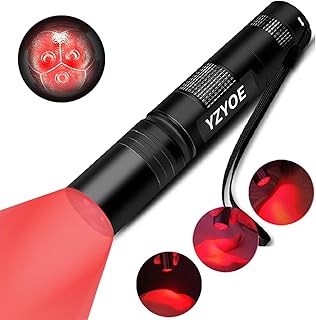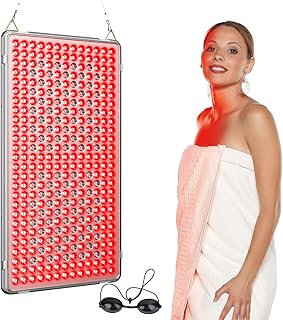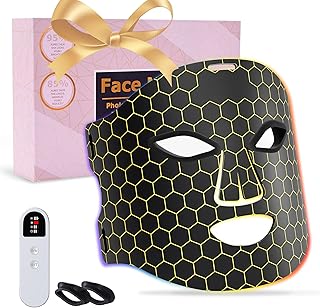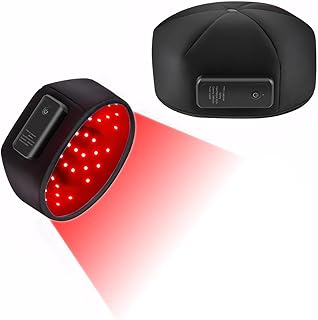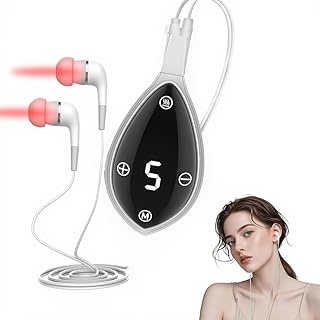
In recent years, Red Light Therapy for Skin and other health benefits have gained immense popularity. People are turning to this non-invasive treatment to soothe inflammation, accelerate healing, and improve overall wellness. But why exactly does Red Light Therapy have anti-inflammatory effects? This blog dives deep into the science behind it, exploring its applications from Red Light Therapy for Skin Rejuvenation to Red Light Therapy for Muscle Pain, and even Red Light Therapy for Wound Healing.
What Is Red Light Therapy?
Red Light Therapy (RLT) is a treatment that uses low-level wavelengths of red or near-infrared light to penetrate the skin. Unlike ultraviolet light, which can damage the skin, red light is safe and helps stimulate cellular function. This therapy has been used in various fields such as dermatology, sports medicine, and wound care.
The therapy is often called Red Light Treatment for Skin because of its significant effects on skin health, but its benefits extend far beyond just the surface.
How Does Red Light Therapy Work?
At its core, Red Light Therapy works by enhancing mitochondrial function within cells. Mitochondria are the “powerhouses” of the cell, producing energy in the form of ATP (adenosine triphosphate). When exposed to red light wavelengths, mitochondria absorb the light and become more efficient at producing ATP. This increased energy allows cells to repair and regenerate faster.
But how does this translate to anti-inflammatory effects?
The Anti-Inflammatory Mechanism
Inflammation is the body’s natural response to injury or infection. While acute inflammation helps protect and heal the body, chronic inflammation can cause pain and tissue damage. Red Light Therapy reduces inflammation by:
- Increasing cellular energy (ATP), which accelerates tissue repair.
- Modulating immune responses by reducing pro-inflammatory cytokines (molecules that promote inflammation).
- Stimulating antioxidant production to neutralize harmful free radicals.
- Improving blood circulation, which helps remove waste products from inflamed tissues.
By influencing these biological processes, Red Light Therapy for Skin and other uses help reduce inflammation, promote healing, and relieve pain.
Red Light Therapy for Skin: The Anti-Inflammatory Benefits
One of the most popular applications of Red Light Therapy is for skin health. People use Red Light Treatment for Skin to combat conditions like acne, rosacea, eczema, and psoriasis — all of which involve inflammation.
When used consistently, Red Light Therapy for Skin helps:
- Reduce redness and swelling.
- Promote collagen production for firmer, younger-looking skin.
- Speed up the healing of damaged skin cells.
- Calm irritated and inflamed skin.
This makes Red Light Therapy for Skin Rejuvenation a favorite among those seeking natural, non-invasive ways to improve their complexion without harsh chemicals or invasive procedures.
Red Light Therapy for Wound Healing
Healing wounds quickly and efficiently is critical to preventing infection and scarring. Red Light Therapy for Wound Healing has been studied extensively and shown to accelerate the repair process.
The therapy enhances cellular regeneration, promotes the formation of new blood vessels (angiogenesis), and reduces inflammation around the wound site. By controlling inflammation, Red Light Therapy for Wound Healing reduces pain and swelling, making recovery more comfortable and faster.
Patients with chronic wounds, burns, and surgical incisions have all benefited from this treatment, which is often integrated into clinical care plans.
Red Light Therapy for Muscle Pain: Relieving Inflammation and Discomfort
Muscle pain and soreness often stem from inflammation caused by injury, overuse, or strain. Red Light Therapy for Muscle Pain targets these inflamed tissues, promoting faster healing and pain relief.
By increasing blood flow and cellular energy, Red Light Therapy for Muscle Pain reduces stiffness and inflammation in muscles and joints. This makes it a favored therapy among athletes and individuals with chronic muscle conditions.
The anti-inflammatory effects of Red Light Therapy for Muscle Pain not only ease discomfort but also help improve mobility and muscle function.
The Science Behind Red Light Treatment for Skin and More
Research supporting Red Light Treatment for Skin and other uses is growing every year. Studies show that red and near-infrared light wavelengths (typically between 600 and 1000 nanometers) can:
- Penetrate the skin deeply.
- Stimulate fibroblasts to produce collagen and elastin.
- Modulate inflammatory pathways.
- Enhance tissue repair processes.
These mechanisms explain why Red Light Therapy for Skin Rejuvenation, wound healing, and muscle pain relief are so effective. The therapy encourages natural healing and regeneration without adverse side effects.
How to Use Red Light Therapy Effectively
To maximize the anti-inflammatory benefits of Red Light Therapy, consistency and proper usage are key. Here are some tips:
- Choose a device that emits the right wavelength (around 630-660 nm for skin and 800-880 nm for deeper tissues).
- Apply the therapy regularly, at least 3-5 times per week.
- Maintain the right distance (usually 6-12 inches from the skin).
- Keep sessions between 10-20 minutes, depending on the area treated.
- Combine Red Light Therapy for Skin with a good skincare routine for best results.
Whether you’re targeting skin concerns, wound healing, or muscle pain, following these guidelines ensures you get the most out of your treatment.
Potential Applications Beyond Skin and Muscle
While Red Light Therapy for Skin and Red Light Therapy for Muscle Pain are among the most common uses, the therapy’s anti-inflammatory properties have broader potential. Some emerging applications include:
- Joint inflammation relief in arthritis.
- Post-surgical healing.
- Reduction of inflammation in neurological conditions.
- Enhancing recovery in sports medicine.
The versatility of Red Light Therapy makes it a promising treatment in many medical and cosmetic fields.
Frequently Asked Questions (FAQ)
1. How long does it take to see results from Red Light Therapy for Skin?
Results vary depending on the condition and individual, but many users notice improvements in skin texture, redness, and inflammation within 4 to 6 weeks of consistent treatment.
2. Can Red Light Therapy help with chronic wounds?
Yes, Red Light Therapy for Wound Healing has been shown to accelerate the repair of chronic wounds by reducing inflammation and stimulating tissue regeneration.
3. Is Red Light Therapy safe for all skin types?
Generally, yes. Red Light Treatment for Skin is non-invasive and safe for all skin tones and types, but it’s always best to consult with a healthcare provider before starting any new therapy.
4. How often should I use Red Light Therapy for muscle pain?
For Red Light Therapy for Muscle Pain, daily or every-other-day sessions for 2-3 weeks often yield the best results. Always follow device-specific instructions.
5. Can Red Light Therapy replace traditional anti-inflammatory medications?
While Red Light Therapy has powerful anti-inflammatory effects, it is typically used as a complementary treatment rather than a replacement for medications prescribed by your doctor.
6. Does Red Light Therapy cause any side effects?
Most users experience no side effects. Some may notice mild redness or irritation initially, but these symptoms typically resolve quickly.
Conclusion
The anti-inflammatory effects of Red Light Therapy make it a versatile and powerful tool in promoting skin health, accelerating wound healing, and relieving muscle pain. By enhancing cellular energy, modulating immune responses, and improving blood flow, Red Light Therapy for Skin Rejuvenation, Red Light Therapy for Wound Healing, and Red Light Therapy for Muscle Pain all work to reduce inflammation and support natural healing.
If you’re considering incorporating Red Light Treatment for Skin or other uses into your wellness routine, understanding its mechanisms and benefits can help you make informed decisions. Whether for cosmetic or therapeutic purposes, red light therapy offers a promising, science-backed approach to reducing inflammation and improving overall health.