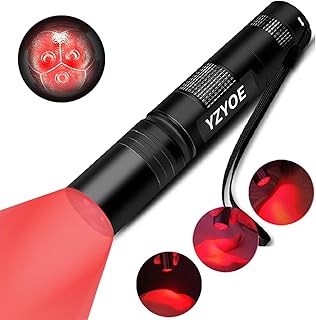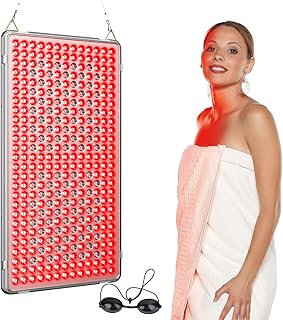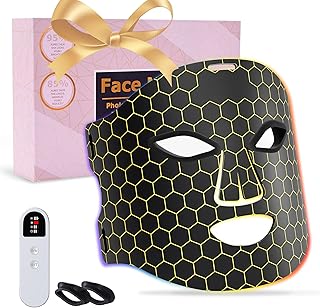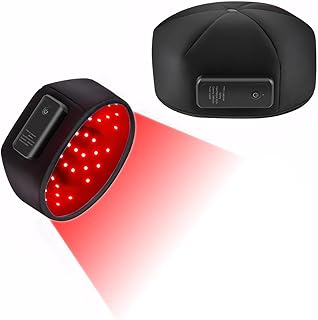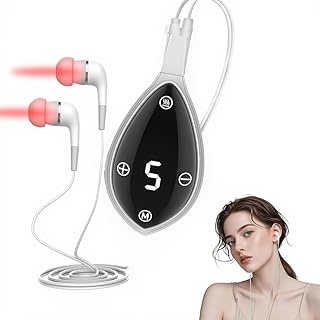
Athletes constantly push their bodies to the limits. From intense workouts to competitive events, physical stress can lead to muscle fatigue, soreness, and even injuries. Recovery is just as important as training, and one innovative method gaining traction among athletes is red light therapy. Specifically, red light therapy offers a non-invasive, safe, and effective approach to speed up recovery, reduce pain, and improve overall performance. In this article, we will explore how red light therapy can benefit athletes, how it works, and why it should be an essential part of any athlete’s recovery toolkit.
What is Red Light Therapy?
Red light therapy, also known as photobiomodulation or low-level laser therapy, involves exposing the body to low wavelengths of red or near-infrared light. This treatment penetrates the skin and stimulates cellular function, promoting healing and reducing inflammation. Unlike other forms of therapy, red light therapy offers a non-invasive solution that requires no medications or recovery downtime, making it ideal for athletes.
The benefits of red light therapy go beyond recovery. Athletes are now turning to this treatment to enhance muscle recovery, reduce soreness, and improve skin health. Whether it’s for red light therapy for skin, red light therapy for wound healing, or red light therapy for muscle pain, this therapy has proven results.
How Red Light Therapy Works for Athletes
Red light therapy works at a cellular level by stimulating the mitochondria, which are the energy powerhouses of our cells. This stimulation helps produce more adenosine triphosphate (ATP), which is essential for energy production and cellular repair. By increasing ATP production, muscles recover faster, inflammation decreases, and the healing process accelerates.
For athletes, this means:
- Faster recovery after workouts
- Reduced muscle soreness
- Increased performance capacity
- Less downtime due to injuries
Research shows that red light therapy offers enhanced recovery and performance benefits, making it a valuable tool for anyone looking to maximize athletic potential.
Benefits of Red Light Therapy for Athletes
1. Accelerates Muscle Recovery
One of the primary reasons athletes turn to red light therapy is its ability to accelerate muscle recovery. Intense workouts create micro-tears in muscle fibers, leading to soreness and fatigue. Red light therapy for muscle pain helps reduce this soreness by promoting cellular repair and reducing inflammation. Regular sessions can significantly decrease recovery time between workouts.
2. Reduces Muscle Pain and Inflammation
Athletes often experience chronic muscle pain due to overtraining. Red light therapy for muscle pain penetrates deep into the tissues, reducing inflammation and relieving discomfort. This allows athletes to train consistently without interruptions caused by lingering pain or stiffness.
3. Promotes Wound Healing
Injuries such as cuts, bruises, or even post-surgical wounds can sideline athletes. Studies have shown that red light therapy for wound healing accelerates tissue repair, promotes collagen production, and reduces scar formation. Athletes can recover faster from injuries and return to their sport with minimal downtime.
4. Enhances Skin Health and Rejuvenation
Athletes often face skin issues due to sweating, sun exposure, or friction. Red light therapy for skin helps improve skin health by stimulating collagen production, reducing redness, and enhancing overall skin tone. Whether it’s red light therapy for skin rejuvenation or red light treatment for skin, athletes can enjoy both aesthetic and functional benefits.
5. Improves Circulation
Red light therapy also helps improve blood circulation, ensuring that muscles receive adequate oxygen and nutrients. Enhanced circulation aids in faster muscle recovery, reduced fatigue, and better overall performance.
Why Red Light Therapy Offers a Unique Advantage
While there are multiple recovery tools available to athletes, from ice baths to compression therapy, red light therapy offers unique advantages:
- Non-invasive and painless
- Can be used at home or in clinics
- Suitable for all body parts and muscle groups
- No medication or chemical use required
- Promotes both recovery and long-term wellness
Athletes who incorporate red light therapy into their routines often notice faster recovery, improved performance, and enhanced skin health. Whether your focus is red light therapy for muscle pain or red light therapy for skin rejuvenation, this therapy addresses multiple needs at once
How to Use Red Light Therapy for Recovery
To achieve maximum benefits, athletes should follow these guidelines when using red light therapy:
- Frequency: Use 3-5 times per week for optimal results.
- Duration: Sessions usually last between 10-20 minutes per target area.
- Distance: Keep the device 6-12 inches from the skin for maximum absorption.
- Consistency: Results improve with regular use.
- Target Areas: Focus on sore muscles, joints, or areas with skin concerns.
By incorporating these best practices, athletes can fully leverage the benefits of red light therapy offers, from muscle recovery to skin rejuvenation.
Red Light Therapy for Skin and Aesthetic Benefits
While recovery is essential, athletes also benefit from the skin-focused advantages of red light therapy. Red light therapy for skin improves elasticity, reduces fine lines, and enhances skin tone. For athletes exposed to harsh weather conditions or excessive sun, red light therapy for skin rejuvenation can help repair damage and maintain a youthful, healthy appearance.
Similarly, red light treatment for skin stimulates collagen production, which not only improves skin texture but also supports faster healing of minor abrasions or cuts.
Red Light Therapy for Wound Healing
Injuries are part of any athlete’s life, but recovery can be slow. Red light therapy for wound healing accelerates tissue repair by enhancing blood flow and stimulating cellular regeneration. This is particularly useful for post-surgical recovery, cuts, or bruises, allowing athletes to resume training sooner.
Red Light Therapy for Muscle Pain
Chronic muscle pain or post-workout soreness can hinder performance. Red light therapy for muscle pain reduces inflammation, promotes circulation, and accelerates tissue repair. Athletes using this therapy often report less soreness, improved flexibility, and faster overall recovery.
FAQs About Red Light Therapy for Athletes
Q1: How soon can athletes see results from red light therapy?
A1: Results vary depending on frequency and condition, but many athletes notice reduced soreness and improved recovery within 2-3 weeks of consistent use.
Q2: Is red light therapy safe for everyone?
A2: Yes, red light therapy is non-invasive and generally safe. However, pregnant women or individuals with specific medical conditions should consult a healthcare professional before starting treatment.
Q3: Can red light therapy replace other recovery methods?
A3: While highly effective, red light therapy works best when combined with proper nutrition, hydration, stretching, and rest.
Q4: How often should athletes use red light therapy?
A4: Typically, 3-5 sessions per week are recommended for optimal results.
Q5: Does red light therapy have side effects?
A5: Side effects are rare. Some individuals may experience temporary redness or warmth in treated areas.
Conclusion
For athletes looking to enhance recovery, reduce muscle pain, promote wound healing, and improve skin health, red light therapy offers a comprehensive, safe, and effective solution. From red light therapy for muscle pain to red light therapy for skin rejuvenation, the benefits are extensive and scientifically supported. By incorporating regular sessions into their training routine, athletes can recover faster, perform better, and maintain overall wellness.
Red light therapy is not just a trend, it’s a scientifically backed recovery tool that is revolutionizing the way athletes train and recover. With consistent use, the combination of faster muscle recovery, enhanced skin health, and accelerated wound healing makes it an indispensable part of an athlete’s regimen.