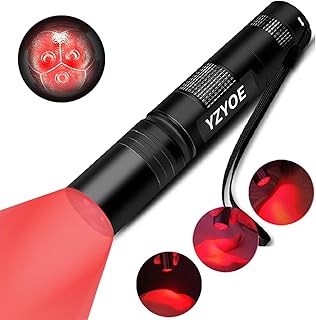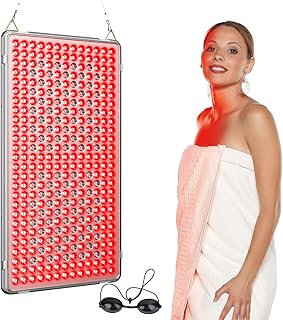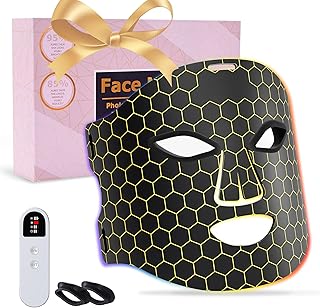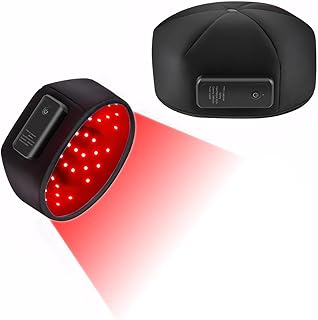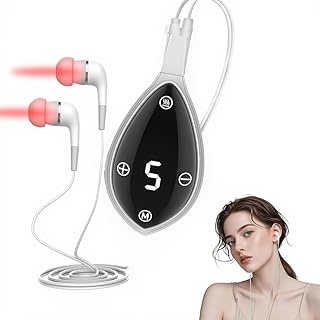
In recent years, red light therapy for skin has surged in popularity as a natural, non-invasive treatment to improve skin health, speed wound healing, and rejuvenate aging skin. Many people enjoy the benefits of red light therapy for skin rejuvenation, but few realize that pairing this innovative treatment with a healthy diet can significantly enhance its effectiveness.
In this blog, we’ll explore why combining red light therapy for skin with proper nutrition can maximize your results, support overall wellness, and help you achieve glowing, youthful skin. We’ll also touch on how this approach benefits wound healing, muscle pain relief, and skin repair.
What Is Red Light Therapy for Skin?
Before diving into diet, it’s important to understand what red light therapy for skin actually is. This therapy involves exposing the skin to low-level wavelengths of red or near-infrared light, which penetrates the skin’s layers to stimulate cellular function. This stimulation promotes collagen production, improves circulation, and accelerates skin repair.
Red light treatment for skin is widely used for:
- Reducing wrinkles and fine lines
- Enhancing skin tone and texture
- Speeding up wound healing
- Reducing inflammation
- Alleviating muscle pain
When used consistently, red light therapy for skin rejuvenation offers a gentle and effective alternative to more invasive procedures.
How Does a Healthy Diet Impact Skin Health?
While red light therapy for skin works from the outside in, your diet influences your skin from the inside out. Nutrients obtained from food support skin regeneration, protect against damage, and maintain hydration and elasticity.
Key dietary components that benefit skin health include:
- Antioxidants (vitamins C and E) to fight free radicals
- Omega-3 fatty acids to reduce inflammation
- Protein to aid in tissue repair and collagen synthesis
- Vitamins A and D for skin cell turnover and immune function
- Zinc to support wound healing and reduce inflammation
Combining these nutrients with red light therapy for skin optimizes skin repair and rejuvenation at both the cellular and systemic level.
Why Should You Combine Red Light Therapy for Skin With a Healthy Diet?
1. Enhanced Collagen Production
Collagen is the protein responsible for skin’s firmness and elasticity. Red light therapy for skin rejuvenation stimulates fibroblasts to produce more collagen. However, your body also needs the right nutrients especially vitamin C and protein to build and maintain collagen effectively.
Eating a balanced diet rich in these nutrients supports the collagen-boosting effects of red light treatment for skin and helps maintain youthful skin for longer.
2. Faster Wound Healing
One of the proven benefits of red light therapy for wound healing is the acceleration of tissue repair. This therapy promotes blood flow and cellular regeneration. At the same time, consuming foods rich in zinc, vitamin C, and protein fuels the body’s natural healing processes, helping wounds close faster and reducing scarring.
Combining red light therapy for wound healing with a nutrient-dense diet creates a powerful synergy for rapid recovery.
3. Reduced Inflammation and Skin Irritation
Chronic inflammation can worsen skin conditions like acne, eczema, and rosacea. Red light therapy for skin reduces inflammation at the cellular level, calming irritated skin. Meanwhile, anti-inflammatory foods such as fatty fish rich in omega-3s, fruits, and vegetables help lower systemic inflammation from within.
Together, these treatments provide a comprehensive approach to soothing the skin.
4. Improved Muscle Recovery and Pain Relief
Beyond skin benefits, red light therapy for muscle pain has gained attention for its ability to reduce soreness and promote faster muscle recovery. Nutritional support, particularly through adequate protein and antioxidants, also plays a critical role in muscle repair.
For active individuals using red light therapy for muscle pain, combining it with a healthy diet supports both skin and muscle health simultaneously.
5. Boosted Cellular Energy and Skin Vitality
Red light stimulates the mitochondria in skin cells to produce more ATP, the energy currency of cells. This energy boost helps cells function optimally, accelerating repair and rejuvenation. A nutrient-rich diet fuels mitochondria and overall cellular energy production, making red light therapy for skin rejuvenation even more effective.
What to Eat to Support Red Light Therapy for Skin
To get the most out of your red light treatment for skin, consider incorporating these nutrient-rich foods into your daily diet:
- Citrus fruits, strawberries, and bell peppers: High in vitamin C for collagen production
- Fatty fish (salmon, mackerel): Loaded with omega-3 fatty acids to reduce inflammation
- Leafy greens (spinach, kale): Packed with vitamins A, C, and K for skin repair
- Nuts and seeds: Rich in vitamin E and zinc for antioxidant protection and healing
- Lean meats, eggs, and legumes: Excellent protein sources for tissue repair
- Berries and green tea: Provide antioxidants that protect skin cells from damage
Tips for Combining Diet and Red Light Therapy for Maximum Results
- Stay hydrated: Water supports nutrient transport and skin hydration, complementing red light therapy for skin rejuvenation.
- Avoid excessive sugar and processed foods: These can increase inflammation and negate some benefits of red light treatment for skin.
- Be consistent: Use your red light therapy sessions regularly and maintain a healthy diet over time for cumulative benefits.
- Consult professionals: Speak with a nutritionist or dermatologist to tailor your diet and therapy plan to your skin needs.
FAQ About Red Light Therapy for Skin and Diet
Q1: How often should I do red light therapy for skin?
Most users see benefits with sessions 3-5 times per week, lasting 10-20 minutes each. Consistency is key to maximizing results.
Q2: Can red light therapy help with wound healing?
Yes! Red light therapy for wound healing promotes faster tissue repair by stimulating blood flow and cell regeneration.
Q3: Is red light therapy safe for all skin types?
Generally, yes. It’s non-invasive and gentle, but if you have specific skin conditions, consult your healthcare provider first.
Q4: What foods should I avoid when using red light therapy for skin?
Limit sugar, processed foods, and excessive alcohol, as they can cause inflammation and slow down skin repair.
Q5: Can red light therapy help with muscle pain?
Definitely. Red light therapy for muscle pain helps reduce soreness and speeds recovery by improving circulation and reducing inflammation.
Q6: How long before I see results from red light therapy for skin rejuvenation?
Results vary, but many people notice improvements in skin texture and tone within 4-6 weeks of regular use.
Final Thoughts
Red light therapy for skin is an exciting, scientifically backed treatment that offers numerous benefits, from anti-aging effects to wound healing and muscle pain relief. However, for truly radiant and healthy skin, it’s essential to pair this therapy with a nutritious diet that supports your body’s natural healing and regenerative processes.
By combining red light therapy for skin rejuvenation with a balanced diet rich in vitamins, minerals, antioxidants, and protein, you create an ideal environment for your skin to thrive enhancing both the short-term and long-term results of your treatment.