Published for Australians in Victoria & Queensland | Informational Health & Wellness
If you have ever looked at a red light therapy device and wondered whether it is more than just a wellness trend, you are not alone. Across Victoria, Queensland, and the rest of Australia, more people are turning to red light treatment for skin as part of their everyday health routines. And once you understand what is actually happening beneath the surface, the interest starts to make a lot of sense.
This is not a quick-fix story. Red light therapy works gradually, and its real value becomes clear when you look at what it does over weeks and months rather than after a single session. Whether your goal is clearer skin, faster recovery, or easing muscle soreness, understanding the timeline of results can help you make an informed decision.
What Is Red Light Therapy and How Does It Work?
Red light therapy (also known as low-level laser therapy or photobiomodulation) uses specific wavelengths of red and near-infrared light typically between 630 nm and 850 nm to penetrate the skin at different depths. Unlike UV light, which can damage skin cells, these wavelengths are absorbed by the mitochondria in your cells, where they stimulate energy production.
The result? Your cells start functioning more efficiently. They repair faster, produce more collagen, reduce inflammation, and communicate better. It sounds almost too simple, but it is grounded in decades of scientific research and has been explored across fields including dermatology, physiotherapy, and wound care.
The key difference with red light therapy is that it works with your biology. It does not damage tissue to stimulate repair (like some cosmetic procedures do). Instead, it gives your existing cells more energy to do what they are already designed to do.
Week 1 to 2: What Happens First
In the early days of consistent use, most people do not notice dramatic visible changes and that is completely normal. What is happening is happening at a cellular level.
Your mitochondria are becoming more active. Inflammation at the cellular level begins to ease. If you are using red light therapy for wound healing, this is where you may first notice that minor cuts, abrasions, or post-procedure skin starts to close faster or feel less tender.
Some people report a subtle glow or improved texture during the first couple of weeks, particularly those using it for red light therapy for skin rejuvenation. This can be attributed to improved circulation and slight upticks in collagen activity. For those using it on sore muscles, early relief from red light therapy for muscle pain can begin around this point particularly for everyday soreness or mild inflammation.
Weeks 3 to 6: The Visible Changes Begin
This is where things start to get more noticeable. With regular use (most protocols recommend three to five sessions per week), you may begin to see:
Improved skin texture and tone: The skin may start to look more even, and fine lines can appear softer. This is because collagen production is ramping up. Collagen is the structural protein that keeps your skin firm, and red light therapy has been shown to increase fibroblast activity. These are the cells responsible for producing collagen and elastin.
Reduced redness and inflammation: For those dealing with rosacea, post-acne redness, or general skin sensitivity, the anti-inflammatory effects of red light therapy for skin become more apparent in this window.
Faster healing skin: Whether you are recovering from a minor cosmetic treatment, a small wound, or sun-stressed skin, red light therapy for wound healing can meaningfully shorten recovery time at this stage. Studies have demonstrated its effectiveness in promoting tissue repair, particularly in diabetic wound care and post-surgical recovery contexts.
Muscle recovery: Athletes and active individuals using red light therapy for muscle pain often find that their recovery between workouts improves. Reduced delayed onset muscle soreness (DOMS) and quicker bounce-back are commonly reported around the 3 to 6-week mark.
Months 2 to 3: Where Long-Term Results Solidify
By the two to three-month mark, consistent users often describe results that feel genuinely transformational not because red light therapy has done something dramatic, but because the compounding effect of cellular renewal has become visible.
Collagen remodeling: Becomes more significant. Skin firmness and elasticity improve measurably. Fine lines around the eyes, forehead, and mouth can appear reduced. For those in their 40s and beyond, many find this to be one of the most encouraging aspects of red light therapy for skin rejuvenation: it supports the skin’s own regenerative ability rather than bypassing it.
Pigmentation and tone: Red light therapy also influences melanin production and skin tone evenness. Sun-damaged skin, common in Australians given the UV exposure in states like Queensland, may show more noticeable improvement at this point.
Wound and scar tissue: For those using it therapeutically, red light therapy for wound healing continues to show results in reducing scar tissue formation and improving the appearance of older scars. The light helps regulate the inflammatory process, which plays a big role in how scars form and settle.
This is the stage where The Light Life Australia customers most often describe turning points, noticing that their skin not only looks better but feels healthier, more resilient, and less reactive to environmental stressors.
Beyond 3 Months: Maintenance and Sustained Results
Red light therapy is not a treatment you complete and then stop. Like exercise or good nutrition, its benefits are sustained through continued use. The good news is that the frequency required for maintenance is generally lower than for the initial phase, dropping to two to three sessions per week is common.
Long-term users report:
- Sustained collagen density and firmer-looking skin
- Ongoing muscle recovery support, particularly for chronic or recurring soreness
- Improved wound healing responses even for fresh injuries
- A general resilience in skin health fewer breakouts, less dryness, improved barrier function
What to Realistically Expect as an Australian
Living in Victoria or Queensland means your skin faces unique pressures: high UV exposure, varying humidity levels, and outdoor lifestyles that can be both wonderful and hard on the skin. Red light therapy fits naturally into an Australian wellness routine because it can be done at home, in the evening, without interfering with an active lifestyle.
For red light therapy for skin, Australians should approach it as a long game. Results are real, but they are gradual. The people who get the most out of it are those who treat it like a skincare routine consistent, patient, and complementary to other good habits like sun protection, hydration, and nutrition.
If you are exploring red light therapy for wound healing following a surgical procedure, skin treatment, or injury, it is worth discussing with your GP or specialist, particularly if you have any underlying conditions. Red light therapy is generally considered very safe, but professional guidance is always worthwhile.
Choosing the Right Device and Protocol
Not all red light therapy devices are created equal. When evaluating options, look for:
- Wavelength specificity devices should clearly state the wavelengths used (630–670 nm for surface skin; 800–850 nm for deeper tissue)
- Irradiance (power output) higher mW/cm² means more effective treatment in shorter sessions
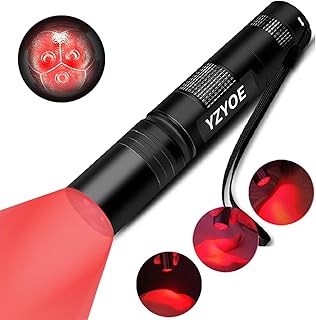
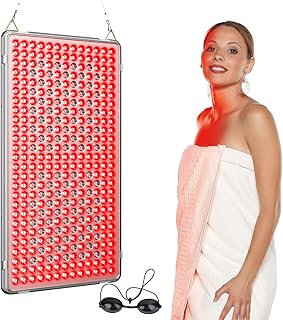
- Coverage area panel-style devices offer more versatile, full-body or large-area use compared to small wands
- Clinical backing look for devices that reference peer-reviewed studies or meet relevant standards
Final Thoughts
What red light treatment for skin actually does over time is something quiet, cumulative, and genuinely impressive once you understand the biology behind it. From the first weeks of cellular activation, through visible skin changes in the first couple of months, to long-term collagen health and muscle resilience, the results are built not in a single session but in the steady accumulation of consistent use.
For those in Victoria, Queensland, and across Australia looking for a non-invasive, evidence-supported way to invest in skin health, wound healing, and physical recovery, red light therapy deserves serious consideration. The Light Life Australia offers guidance and quality devices designed to support Australians through every stage of this journey so that the results you are after are not just possible, but sustainable.
FAQs
Q1. How long does it take to see results from red light therapy for skin?
Most people begin noticing visible improvements in skin texture and tone between weeks 3 to 6 of consistent use. Long-term benefits like collagen remodeling and firmer skin become more evident around the 2 to 3-month mark.
Q2. Is red light therapy for wound healing safe to use at home in Australia?
Yes, red light therapy is generally considered very safe for home use when following the device guidelines. Australians recovering from minor wounds or post-treatment skin are advised to consult their GP if they have underlying health conditions.
Q3. Can red light therapy help with muscle pain and post-workout recovery?
Red light therapy for muscle pain has shown strong results in reducing delayed onset muscle soreness (DOMS) and speeding up recovery between sessions. Regular use over 3 to 6 weeks can noticeably improve how quickly your body bounces back after physical activity.
Q4. How often should I use red light treatment for skin to get the best results?
For the initial phase, three to five sessions per week is the most commonly recommended protocol for red light treatment for skin. Once results are established, most people drop to a maintenance schedule of two to three sessions per week.
Q5. What makes red light therapy for skin rejuvenation different from other anti-ageing treatments?
Unlike procedures that damage tissue to trigger repair, red light therapy for skin rejuvenation works by energizing your existing cells to produce more collagen naturally. It is non-invasive, has no downtime, and is suitable for most skin types making it a practical long-term option for Australians.