
In recent years, Red Light Therapy has gained significant attention as a revolutionary treatment that offers a wide range of health and wellness benefits. Whether you are looking for Red Light Therapy for skin rejuvenation, pain relief, muscle recovery, or wound healing, this therapy is quickly becoming a go-to solution for many seeking natural, non-invasive care. The growing popularity of Red Light Therapy near me searches reflects how accessible and effective this treatment has become.
Red Light Therapy, also known as low-level light therapy or photobiomodulation, uses specific wavelengths of red and near-infrared light to penetrate the skin and stimulate cellular repair processes. This stimulates collagen production, reduces inflammation, promotes blood circulation, and accelerates healing, making it highly beneficial for skin conditions, muscle and joint pain, and overall cellular health.
People use Red Light Therapy treatment near me for various purposes—from improving skin texture and reducing wrinkles to managing chronic pain and enhancing athletic recovery. Its safety, minimal side effects, and convenience—whether in professional clinics or through home devices—make it an appealing alternative to traditional treatments like drugs or surgery.
In this comprehensive guide, we will explore key questions about Red Light Therapy uses, benefits, safety considerations, and practical tips to help you understand why this innovative therapy is transforming healthcare and skincare. Each section will delve into specific aspects, backed by research and real-world applications, providing you with a complete picture of how Red Light Therapy for skin benefits, muscle recovery, pain relief, and more can improve your quality of life.
Red Light Therapy is a non-invasive, scientifically-backed treatment that uses low-level wavelengths of red and near-infrared light to stimulate cellular processes and support healing, regeneration, and pain relief. It’s increasingly popular in both wellness clinics and at-home devices — and if you've searched Red Light Therapy , you’re not alone. This treatment has become a go-to option for individuals seeking natural, drug-free solutions for skin health, pain management, and more.
At the cellular level, Red Light Therapy works by delivering light energy into the skin and tissues, where it’s absorbed by the mitochondria — the energy-producing structures in your cells. This stimulates the production of adenosine triphosphate (ATP), which fuels cellular repair and regeneration. As a result, cells function more efficiently, inflammation is reduced, and tissues begin to heal faster.
This cellular process explains the broad range of Red Light Therapy uses, including:
Red Light Therapy for Skin conditions like acne, wrinkles, and pigmentation
Red Light Therapy for Wound Healing by accelerating tissue regeneration
Red Light Therapy for Muscle Recovery by reducing inflammation and supporting blood flow
Red Light Therapy for Skin Healing through collagen production and rejuvenation
Key Benefits of Red Light Therapy on the Cellular Level:
If you are considering a treatment and searching for Red Light Therapy treatment, it’s important to understand what’s happening inside your body. Whether used for beauty or pain management, the purpose of Red Light Therapy is to support your body’s own healing mechanisms — gently, naturally, and effectively.This also helps explain why Red Light Therapy for skin inflammation, Red Light Therapy for pain relief, and Red Light for skin therapy have become so popular across both cosmetic and medical fields. With continued research backing its benefits, Red Light Therapy is quickly becoming a trusted solution for various health and skin concerns.
Boosts ATP production, giving cells more energy to repair and regenerate
Improves blood circulation, delivering nutrients and oxygen to damaged tissues
Enhances collagen and elastin production for skin rejuvenation
Reduces inflammation, supporting Red Light Therapy for Muscle Pain and arthritis
Encourages faster recovery from injuries and surgeries
Natural support for skin healing, especially in cases of burns, cuts, or acne scars
Photobiomodulation (PBM) is the scientific term for the biological process triggered by Red Light Therapy. It refers to the way light energy, particularly from red and near-infrared wavelengths, alters and improves cellular function. In simpler terms, Red Light Therapy is the practical application of photobiomodulation — and it’s what makes treatments like Red Light Therapy for skin and Red Light Therapy for muscle recovery so effective.
When red light or near-infrared light hits the skin, it penetrates tissues and interacts with the mitochondria. This interaction increases ATP production, reduces oxidative stress, and triggers a range of positive biological responses that contribute to healing and regeneration.
People looking for Red Light Therapy often don’t realize they’re actually benefiting from the science of PBM. This therapy works at a deep, cellular level to heal the skin, muscles, and even nerves.
How Photobiomodulation Supports Red Light Therapy:
Activates mitochondria to increase cellular energy
Reduces inflammation in muscles and skin tissues
Speeds up wound and tissue healing
Enhances skin texture and collagen production
Minimizes joint and muscle pain
Photobiomodulation is what gives Red Light Therapy for skin rejuvenation its anti-aging effects. It encourages the growth of new skin cells and promotes the regeneration of elastin and collagen — crucial for smoother, firmer skin. For athletes or active individuals, PBM supports Red Light Therapy for muscle recovery by improving blood circulation and reducing soreness after workouts.
Furthermore, the benefits of infrared red light therapy — such as improved sleep, mood, and overall wellness — are all made possible by the science of photobiomodulation. Whether you're using a home device or searching for a Red Light Therapy treatment near me, knowing how PBM works gives you more confidence in its power to improve your health.
The next time you consider Red Light Therapy, remember: you're not just using light — you're using light to change your biology for the better.
Red Light Therapy and LED Light Therapy are terms often used interchangeably, but they’re not exactly the same. Both treatments use light-emitting diodes (LEDs), but the type, wavelength, and therapeutic focus can differ. Understanding the distinction can help you choose the right therapy — whether you're looking for Red Light Therapy or investing in an at-home device.
Red Light Therapy typically focuses on specific wavelengths in the red (around 630–660 nm) and near-infrared (810–850 nm) range. These wavelengths are scientifically proven to stimulate cellular healing, reduce inflammation, and promote collagen production. On the other hand, LED Light Therapy can include other colors, like blue (for acne) or green (for pigmentation).
Key Differences Between Red Light and LED Light Therapy:
Wavelengths:
Red Light Therapy = red and near-infrared only
LED Light Therapy = multiple light colors (blue, green, amber, etc.)
Depth of Penetration:
Red Light = deeper tissue and muscle penetration
LED = mostly surface-level effects
Purpose:
Red Light = healing, anti-aging, pain relief, muscle recovery
LED = general cosmetic use (acne, tone, brightening)
Effectiveness for Skin and Muscle:
Red Light = optimal for skin healing, skin rejuvenation, and pain relief
If your goal is skin therapy, go for Red Light for skin therapy or Red Light Treatment for skin specifically. These are designed to target deeper layers of the skin and offer proven benefits for wrinkles, inflammation, and wound healing.
In fact, those searching for Red Light Therapy treatment should always ask whether the device uses true red or near-infrared wavelengths. That ensures you're getting effective Red Light Therapy for skin inflammation, pain, and other medical-grade uses.
For long-term improvements, especially related to Red Light Therapy for skin benefits, muscle recovery, or inflammation, Red Light Therapy outperforms standard LED Light Therapy.
Why Should You Choose Near-Infrared vs Visible Red in Red Light Therapy?
When exploring Red Light Therapy, you’ll often come across two types of light: visible red light and near-infrared (NIR). Both offer incredible healing potential, but they serve different purposes. Knowing which one to choose can enhance the results — especially if you're seeking Red Light Therapy for muscle pain, skin healing, or deep tissue repair.
Visible Red Light typically falls in the 630–670 nm range, and it’s ideal for surface-level concerns. This includes Red Light Therapy for skin, acne treatment, inflammation reduction, and Red Light Therapy for skin rejuvenation.
Near-Infrared Light, which operates between 800–850 nm, penetrates much deeper into muscles, joints, and bones. It’s the best choice for Red Light Therapy for muscle recovery, chronic pain relief, and Red Light Therapy for wound healing that involves deeper tissue layers.
Choosing Between Red and Near-Infrared Light:
Choose Visible Red Light for:
Acne and blemishes
Fine lines and wrinkles
Red Light Therapy on skin concerns like inflammation and sensitivity
Red Light Therapy for skin inflammation
Choose Near-Infrared Light for:
Chronic pain and joint stiffness
Red Light Therapy for muscle pain and soreness
Red Light Therapy for wound healing in deeper tissues
Supporting Red Light Therapy for pain relief
Many advanced devices now combine both types of light, allowing users to experience full-spectrum healing — from surface skin rejuvenation to deep muscular recovery.
So whether you're looking for Red Light Therapy or shopping for a device, make sure it includes both red and near-infrared light if your needs span both cosmetic and therapeutic results.
Pain relief is one of the most sought-after Red Light Therapy uses, and the effectiveness of this therapy largely depends on selecting the optimal wavelengths. Different wavelengths of red and near-infrared light penetrate the skin and tissues at varying depths, making some better suited for targeting pain in muscles, joints, or nerves.
The best wavelengths for pain relief generally fall between 630 nm and 850 nm, covering both visible red light and near-infrared light. These wavelengths are proven to reduce inflammation, increase blood flow, and stimulate cellular repair mechanisms — all of which are crucial for reducing acute and chronic pain.
Optimal Wavelength Ranges for Pain Relief:
630-670 nm (Red Light): This range primarily affects superficial tissues such as the skin and subcutaneous layers. It’s effective for reducing skin inflammation, promoting wound healing, and relieving mild muscular pain near the surface. If you’re exploring Red Light Therapy for skin inflammation or Red Light Therapy on skin to reduce redness and irritation, this wavelength is ideal.
810-850 nm (Near-Infrared Light): These wavelengths penetrate deeper into muscles, ligaments, joints, and even bones. Near-infrared light is especially effective for treating deeper muscle soreness, joint pain (including arthritis), and nerve-related pain. This is why Red Light Therapy for muscle pain and Red Light Therapy for muscle recovery often emphasize near-infrared wavelengths.
Why Are These Wavelengths Effective for Pain Relief?
Boost ATP Production: Both red and near-infrared light stimulate mitochondria to produce more ATP, providing energy for cells to repair damaged tissues.
Reduce Inflammation: These wavelengths decrease inflammatory markers, reducing swelling and tenderness in muscles and joints.
Enhance Circulation: Improved blood flow helps flush out toxins and delivers nutrients needed for healing.
Stimulate Endorphin Release: Light therapy can promote natural painkillers, providing relief without drugs.
Key Takeaways for Using Wavelengths in Pain Relief:
When seeking Red Light Therapy near me for pain relief, inquire about the wavelengths used in treatments to ensure they include both red and near-infrared light.
Many advanced devices combine both wavelengths to offer a comprehensive solution for pain management.
For Red Light Therapy treatment near me or home use, look for devices with output between 630-670 nm and 810-850 nm.
Consistency is key; regular sessions enhance the cumulative benefits for chronic pain or inflammation.
The purpose of Red Light Therapy for pain relief is to provide a safe, non-invasive alternative to medications or surgery.
In conclusion, understanding the best wavelengths helps you maximize the benefits of Red Light Therapy for pain relief. Whether your pain is superficial or deep, choosing the right wavelengths can accelerate healing, reduce discomfort, and improve your quality of life naturally.
Red Light Therapy for skin rejuvenation is rapidly gaining popularity due to its powerful anti-aging benefits. If you’re searching for Red Light Therapy to improve your skin’s appearance, it’s important to understand how this therapy works to naturally restore youthful skin.
At the heart of this process is the stimulation of collagen and elastin production. Collagen is a key protein that maintains skin’s firmness and elasticity, but its production decreases with age, leading to wrinkles, fine lines, and sagging skin. Red Light Therapy on skin penetrates the dermal layers and triggers fibroblast cells to generate more collagen, resulting in smoother, plumper, and more radiant skin.
Benefits of Red Light Therapy for Skin Rejuvenation:
Increases collagen and elastin synthesis
Reduces the appearance of fine lines and wrinkles
Improves skin texture and tone
Enhances blood circulation, promoting healthy skin cell turnover
Reduces redness and inflammation linked to aging and sun damage
Many users also report improved hydration and reduced skin roughness after consistent use. This makes Red Light Therapy for skin benefits a natural, non-invasive alternative to chemical peels, injections, or laser resurfacing.
If you’re concerned about safety, rest assured that Red Light Therapy Is It Safe is a commonly asked question, and yes — it’s generally safe with minimal side effects when used correctly.
In summary, for anyone searching for a Red Light Therapy treatment with the goal of turning back the clock on their skin, this therapy offers a scientifically proven solution to skin aging — improving firmness, elasticity, and glow naturally.
One of the primary reasons people turn to Red Light Therapy for skin treatments is its ability to improve collagen production — the structural protein vital for youthful skin — and reduce wrinkles.
As we age, collagen production slows down, leading to thinning skin, loss of elasticity, and the formation of wrinkles. Red Light Therapy stimulates fibroblasts, the cells responsible for producing collagen and elastin, boosting their activity and reversing some of these aging signs.
How Red Light Therapy Boosts Collagen and Reduces Wrinkles:
Penetrates deep into skin layers to activate fibroblasts
Promotes ATP production, giving cells the energy to regenerate
Encourages repair of damaged skin tissues and stimulation of new collagen fibers
Reduces inflammation, which can accelerate aging processes
Supports Red Light Therapy for skin healing by improving skin structure and elasticity
The combined effect is firmer, smoother skin with fewer visible wrinkles. Regular sessions also improve skin tone and hydration, making your face appear more youthful and refreshed.
If you’re exploring Red Light Therapy near me for anti-aging, devices and clinics often tailor treatments to maximize collagen synthesis. Red Light Therapy for skin benefits is a proven, safe, and drug-free method to combat the visible signs of aging.
Acne and other common skin problems can be stubborn and frustrating. Luckily, Red Light Therapy for skin offers a gentle, effective way to address these issues without harsh chemicals or invasive procedures.
The anti-inflammatory properties of red light reduce swelling and redness associated with acne lesions. Moreover, red light stimulates healing and accelerates the repair of damaged skin tissue, helping to fade scars and improve overall skin clarity.
Why Red Light Therapy Works Against Acne:
Reduces inflammation and redness associated with acne
Promotes faster healing of acne lesions and reduces scarring
Helps regulate oil production and balance skin microbiome
Supports skin regeneration and reduces skin inflammation
Offers a non-invasive alternative to topical creams or antibiotics
By improving circulation and boosting cellular repair mechanisms, Red Light Therapy for skin healing helps restore a clear, healthy complexion. It is often combined with Blue Light Therapy to target acne-causing bacteria, but red light remains the go-to for healing and inflammation reduction.
If you’re searching for Red Light Therapy near me for acne treatment, many clinics and home devices offer protocols designed specifically for this skin concern.
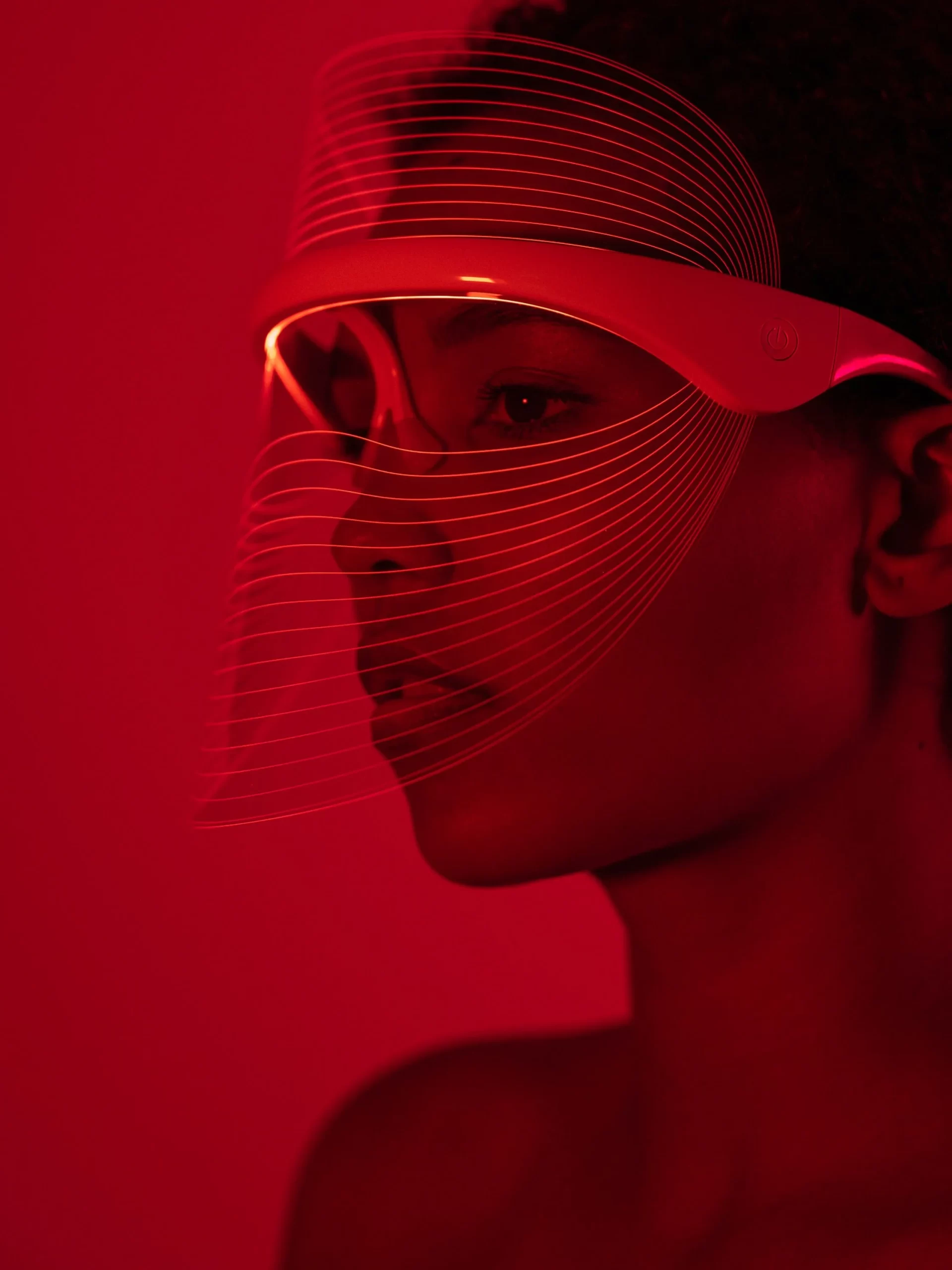
Inflammation is a root cause of many chronic diseases and skin conditions. One of the most remarkable benefits of Red Light Therapy is its ability to reduce inflammation in both skin and deeper tissues.
By stimulating cellular energy production and improving blood flow, Red Light Therapy for skin inflammation and muscle soreness works to calm the body’s inflammatory response. This makes it an excellent treatment for conditions ranging from arthritis and joint pain to eczema and psoriasis.
How Red Light Therapy Reduces Inflammation:
Increases ATP production for enhanced cellular repair
Lowers pro-inflammatory cytokines and markers
Enhances circulation, helping to flush out inflammatory waste products
Supports immune modulation, balancing immune response
Speeds up tissue repair and regeneration
Whether you’re dealing with Red Light Therapy for muscle pain, joint inflammation, or Red Light Therapy for skin inflammation, regular sessions can lead to noticeable improvements.
Many individuals searching for Red Light Therapy treatment choose this therapy for its natural anti-inflammatory action and minimal side effects, making it a great alternative or complement to medications.
Wound healing is a complex biological process requiring new tissue formation and inflammation control. Red Light Therapy for wound healing is scientifically proven to accelerate this process by promoting faster cell regeneration and reducing damaging inflammation.
When searching for Red Light Therapy, many patients with cuts, burns, or post-surgical wounds choose this therapy because it enhances tissue repair without risk of side effects.
Benefits of Red Light Therapy in Wound Healing:
Stimulates fibroblast proliferation and collagen synthesis for tissue repair
Reduces swelling and inflammation in injured tissues
Enhances circulation, bringing oxygen and nutrients to wounds
Speeds up closure and reduces scarring
Helps fight infection through immune system modulation
This makes Red Light Therapy for skin healing especially effective after injuries or surgeries. Consistent use of this therapy leads to quicker recovery times and better cosmetic outcomes.
If you want a natural way to boost your body’s healing abilities or want to find Red Light Therapy treatment, this therapy offers a safe and effective solution to enhance wound healing and reduce pain.
Athletes and fitness enthusiasts increasingly rely on Red Light Therapy for muscle recovery because it speeds up healing, reduces inflammation, and alleviates pain caused by intense physical activity. Whether you’re a professional athlete or someone who works out regularly, Red Light Therapy is becoming a common search for natural recovery solutions.
The therapy works by enhancing blood flow, which helps deliver oxygen and nutrients to damaged muscles. It also stimulates mitochondrial function to boost ATP production, fueling cellular repair. This combination reduces muscle soreness, accelerates tissue repair, and improves overall recovery times.
Benefits of Red Light Therapy for Athletes:
Reduces muscle inflammation and soreness
Enhances cellular energy production for faster tissue repair
Improves blood circulation, flushing out metabolic waste
Speeds up recovery from injuries and micro-tears
Supports joint health and reduces pain
Using Red Light Therapy for muscle pain and recovery can minimize downtime and improve athletic performance. Many athletes seek Red Light Therapy treatment to incorporate this therapy into their training routines. Its safety and non-invasive nature make it an ideal option for those who want to avoid medications or injections.
Joint pain and arthritis can significantly impact quality of life. Red Light Therapy for pain relief offers a natural and non-invasive way to reduce joint inflammation, stiffness, and pain. Clinics and individuals alike search for Red Light Therapy specifically for arthritis management.
Red light and near-infrared wavelengths penetrate deep into joint tissues, reducing inflammation and stimulating cellular repair. This helps improve joint mobility and decreases discomfort without relying on pharmaceuticals, which often have side effects.
Key Benefits of Red Light Therapy for Joint Pain and Arthritis:
Reduces joint inflammation and swelling
Stimulates cartilage repair and slows degeneration
Decreases pain intensity and improves mobility
Enhances blood flow for nutrient delivery
Safe for long-term use without side effects
Patients using Red Light Therapy for muscle pain often find it also benefits joints, making it a comprehensive approach for musculoskeletal health. Searching for Red Light Therapy treatment for arthritis is common as more clinics offer tailored protocols for these conditions.
Why Is Red Light Therapy Beneficial for Hair Growth and Reducing Hair Loss?
Hair thinning and hair loss are common concerns, and many people are turning to Red Light Therapy as a natural, non-invasive treatment option. Research shows that red and near-infrared light stimulate hair follicles, increasing blood flow and cellular metabolism in the scalp.
People searching Red Light Therapy for hair restoration are often surprised by how effective this treatment is at promoting thicker, healthier hair without surgery or drugs.
How Red Light Therapy Supports Hair Growth:
Stimulates hair follicle cells and promotes new growth
Improves scalp circulation for better nutrient delivery
Reduces inflammation that contributes to hair loss
Strengthens existing hair strands and reduces shedding
Safe, painless alternative to topical or surgical treatments
Incorporating Red Light Therapy for skin and scalp treatments into your routine can help restore confidence and improve hair density. Devices for Red Light Therapy treatment often include specific programs for hair growth stimulation.
Why Is Red Light Therapy Useful for Mood, Sleep, and Mental Health?
The benefits of Red Light Therapy extend beyond physical healing — many studies show it can also positively impact mood, sleep quality, and mental health. People looking for Red Light Therapy often seek relief from stress, anxiety, and insomnia.
Red and near-infrared light influence the production of melatonin (the sleep hormone) and serotonin (the mood regulator), promoting relaxation and emotional balance. Additionally, the anti-inflammatory effects may reduce neuroinflammation, linked to depression and cognitive decline.
Red Light Therapy Benefits for Mental Health:
Enhances sleep quality by regulating melatonin
Reduces symptoms of anxiety and depression
Improves cognitive function and brain energy metabolism
Lowers neuroinflammation linked to mood disorders
Non-invasive, drug-free mental wellness support
This holistic approach to wellness makes Red Light Therapy for pain relief, skin rejuvenation, and mental health highly sought after. Many wellness centers offer Red Light Therapy treatment packages focusing on overall wellbeing.

What Are the Safety Considerations When Using Red Light Therapy at Home?
When searching for Red Light Therapy, many people are interested in convenient home-use devices. While Red Light Therapy for skin and pain relief is generally safe, understanding important safety considerations is key to maximizing benefits and minimizing risks.
Home devices vary in power, wavelength, and design. Using the wrong device or incorrect protocols can lead to ineffective treatment or, in rare cases, skin irritation or eye strain. Always prioritize devices certified for safe use and follow manufacturer instructions closely.
Key Safety Tips for Home Red Light Therapy:
Use FDA-cleared or medically approved devices for Red Light Therapy treatment
Avoid looking directly into the light to protect your eyes — use goggles if recommended
Start with shorter sessions (5-10 minutes) to assess skin response
Maintain proper distance between the device and skin (usually 6-12 inches)
Do not overuse; excessive exposure can cause redness or irritation
Consult a healthcare professional if you have photosensitive conditions or are pregnant
Keep devices clean and well-maintained to avoid infections
When used correctly, Red Light Therapy for skin benefits and pain relief at home is a safe, effective option. Many people choose home devices for convenience while still searching for Red Light Therapy for professional advice or advanced treatments.
What Are the Potential Side Effects of Red Light Therapy?
While Red Light Therapy is known for being safe and non-invasive, it’s important to recognize that some users may experience mild side effects, especially if treatments are overdone or devices are misused.
Common side effects are typically minor and temporary, including mild skin redness, irritation, or eye strain. These symptoms usually resolve quickly once treatment is paused or adjusted.
Possible Side Effects Include:
Temporary skin redness or irritation after treatment
Dryness or mild peeling if sessions are too frequent
Eye discomfort if proper protection isn’t used
Headaches or dizziness in rare cases (usually related to overexposure)
Red Light Therapy Is It Safe? is a top question for new users, and the answer is yes—when done responsibly. To avoid side effects:
Follow recommended session durations and frequencies
Use protective eyewear when necessary
Choose reputable devices designed for your treatment goals
Monitor your skin’s response and adjust accordingly
Most users experience no side effects and report only positive outcomes, such as Red Light Therapy for skin healing and improved pain relief. If unsure, consulting a professional before starting treatment is advised.
What to Expect During Your First Red Light Therapy Session?
If you’re new to Red Light Therapy for skin or pain relief and have searched for Red Light Therapy, understanding what happens during your first session can help ease any concerns.
The therapy involves exposing the targeted area to low-level red or near-infrared light. You’ll typically sit or lie down comfortably while the device delivers light for 10-20 minutes. The procedure is painless, non-invasive, and requires no downtime.
First Session Overview:
You may feel gentle warmth on your skin, but no discomfort
The technician or device operator will position the light source for optimal coverage
Protective eyewear may be provided for treatments near the face or eyes
After the session, you can resume normal activities immediately
Visible results usually take several sessions to appear, depending on the condition
Red Light Therapy for skin benefits and pain relief accumulates over time, so consistency is key. Many users who search for Red Light Therapy treatment report satisfaction after 4-6 sessions with noticeable improvements in skin texture, inflammation, or pain.
What Are the Differences in Red Light Therapy Devices (Panels, Handhelds, Masks)?
When exploring Red Light Therapy, you’ll notice various device types, each suited for different purposes and preferences. Understanding their differences helps you choose the right device or treatment option.
Types of Red Light Therapy Devices:
Panels: Large flat panels cover broad areas, ideal for full-body treatments like Red Light Therapy for muscle recovery or pain relief.
Handheld Devices: Portable and easy to use for targeted areas such as joints or small skin patches, popular for Red Light Therapy for skin healing and inflammation.
Masks: Facial masks are designed specifically for Red Light Therapy for skin rejuvenation and anti-aging. They combine red and near-infrared light to treat wrinkles, acne, and skin tone.
Device Selection Tips:
Choose panels for treating large muscle groups or widespread skin concerns
Use handheld devices for focused treatments on joints, scars, or small injuries
Select masks if your primary goal is facial skin benefits like wrinkle reduction and acne treatment
Check device wavelength ranges (look for 630-670 nm and 810-850 nm) for maximum effectiveness
Consider power output and session times
Why Is Red Light Therapy Becoming Popular as a Non‑Invasive Treatment?
Red Light Therapy has seen a surge in popularity as people seek effective, non-invasive health and beauty solutions. Whether for Red Light Therapy for skin rejuvenation, pain relief, or muscle recovery, this therapy offers a natural alternative to surgery, drugs, and invasive procedures.
People looking for Red Light Therapy appreciate its safety, minimal side effects, and ease of use. Unlike lasers or chemical treatments, red light uses gentle wavelengths that stimulate the body’s own healing processes without damaging tissues.
Reasons for Rising Popularity:
Non-invasive and painless with no downtime
Suitable for a wide range of conditions including skin aging, inflammation, and pain
Can be used at home or in professional clinics
Offers a drug-free alternative for pain management and skin care
Supported by growing scientific research and clinical studies
The versatility of Red Light Therapy for skin and musculoskeletal health, combined with its affordability and convenience, drives its increasing demand. Many people searching for Red Light Therapy treatment find it a valuable addition to their health and wellness routine.
Why Is Red Light Therapy an Affordable Alternative to Surgery or Drugs?
Many individuals searching for Red Light Therapy are drawn to this treatment because it offers an affordable, non-invasive alternative to costly surgeries or long-term drug use. Whether you want Red Light Therapy for pain relief, skin rejuvenation, or muscle recovery, this therapy reduces the need for expensive interventions.
Unlike surgeries, which involve risks, recovery time, and significant expense, Red Light Therapy for skin benefits and pain management provides a low-risk approach with minimal side effects. Drugs may cause unwanted side effects and dependency, whereas red light stimulates the body’s natural healing mechanisms.
Cost and Accessibility Advantages:
Lower upfront and ongoing costs compared to surgeries or medications
Minimal equipment needed for home use; many affordable devices available
No downtime or recovery period required
Safe for repeated, long-term use without added healthcare expenses
Easily combined with other therapies or lifestyle changes
This affordability makes Red Light Therapy treatment an attractive option for those seeking effective and budget-friendly health solutions. Whether for chronic pain, skin aging, or muscle healing, many find it a practical alternative.
What Are the Clinical Studies Saying About Red Light Therapy Effectiveness?
Scientific research consistently supports the effectiveness of Red Light Therapy across a variety of applications, from Red Light Therapy for skin healing to pain relief and muscle recovery. Clinical studies show positive outcomes, increasing public trust and fueling interest in treatments found by searching Red Light Therapy.
Highlights from Clinical Research:
Significant improvements in collagen production and skin texture after red light exposure
Reduction in pain and inflammation in arthritis, tendinitis, and muscle injuries
Faster wound healing with reduced scar formation
Improved hair density and growth in patients with alopecia
Positive effects on mood, sleep, and cognitive function linked to neuroinflammation reduction
These findings underscore Red Light Therapy uses as a scientifically backed option for many conditions. Ongoing studies continue to expand understanding and refine protocols for maximum benefit.
What Are the Long‑Term Benefits of Regular Red Light Therapy Use?
Consistent, long-term use of Red Light Therapy leads to cumulative benefits across skin health, pain management, and overall wellbeing. Many who search for Red Light Therapy treatment adopt regular sessions as part of their wellness routine to maintain and enhance results.
Long-Term Benefits Include:
Sustained collagen production leading to lasting skin firmness and wrinkle reduction
Improved joint function and decreased chronic inflammation
Enhanced muscle recovery and reduced injury risk
Ongoing support for hair growth and scalp health
Better sleep quality and mood stability through neuroregenerative effects
Why Is Red Light Therapy Ideal for Skin Pigmentation and Scars?
Uneven pigmentation and scars can be difficult to treat with conventional methods. Red Light Therapy for skin offers an effective, gentle way to improve skin tone and texture, making it ideal for pigmentation issues and scar healing.
Red light penetrates skin layers to stimulate cellular regeneration and reduce inflammation, helping to fade dark spots and promote smoother skin. It also supports collagen remodeling, which improves the appearance of scars over time.
Benefits for Pigmentation and Scars:
Reduces hyperpigmentation and evens skin tone
Accelerates healing of surgical, acne, or injury scars
Stimulates collagen to soften scar tissue and improve elasticity
Minimizes redness and swelling associated with scars
Safe for all skin types and can be combined with other treatments
People searching for Red Light Therapy often choose this therapy as a first-line or complementary treatment for skin discoloration and scars, appreciating its non-invasive nature and natural results.